
Seasonal Pigmentation and how to treat it properly
After summer, it’s very common to see pigmentation sitting more visibly. This isn’t because anything new has suddenly developed, but because of what the skin has been exposed to over the warmer months. UV exposure, heat, and ongoing low-level inflammation all contribute to increased melanin production, and that often becomes more noticeable once the skin starts to settle.
As we move into autumn, the skin is no longer under the same level of environmental stress. This creates a much more stable starting point, which is why this time of year is ideal for working on pigmentation in a more considered and long-term way.
Why Pigmentation becomes more visible after Summer
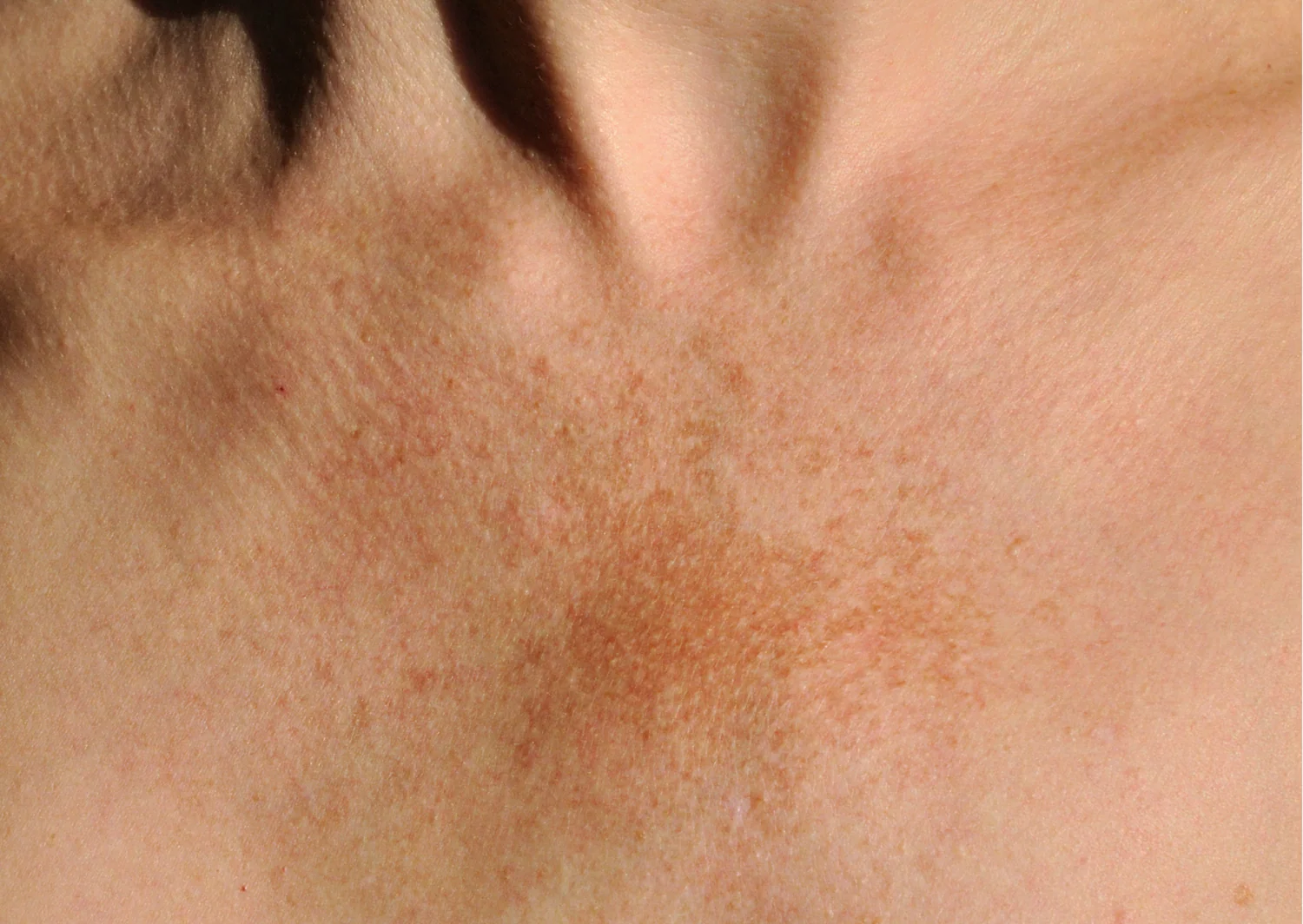
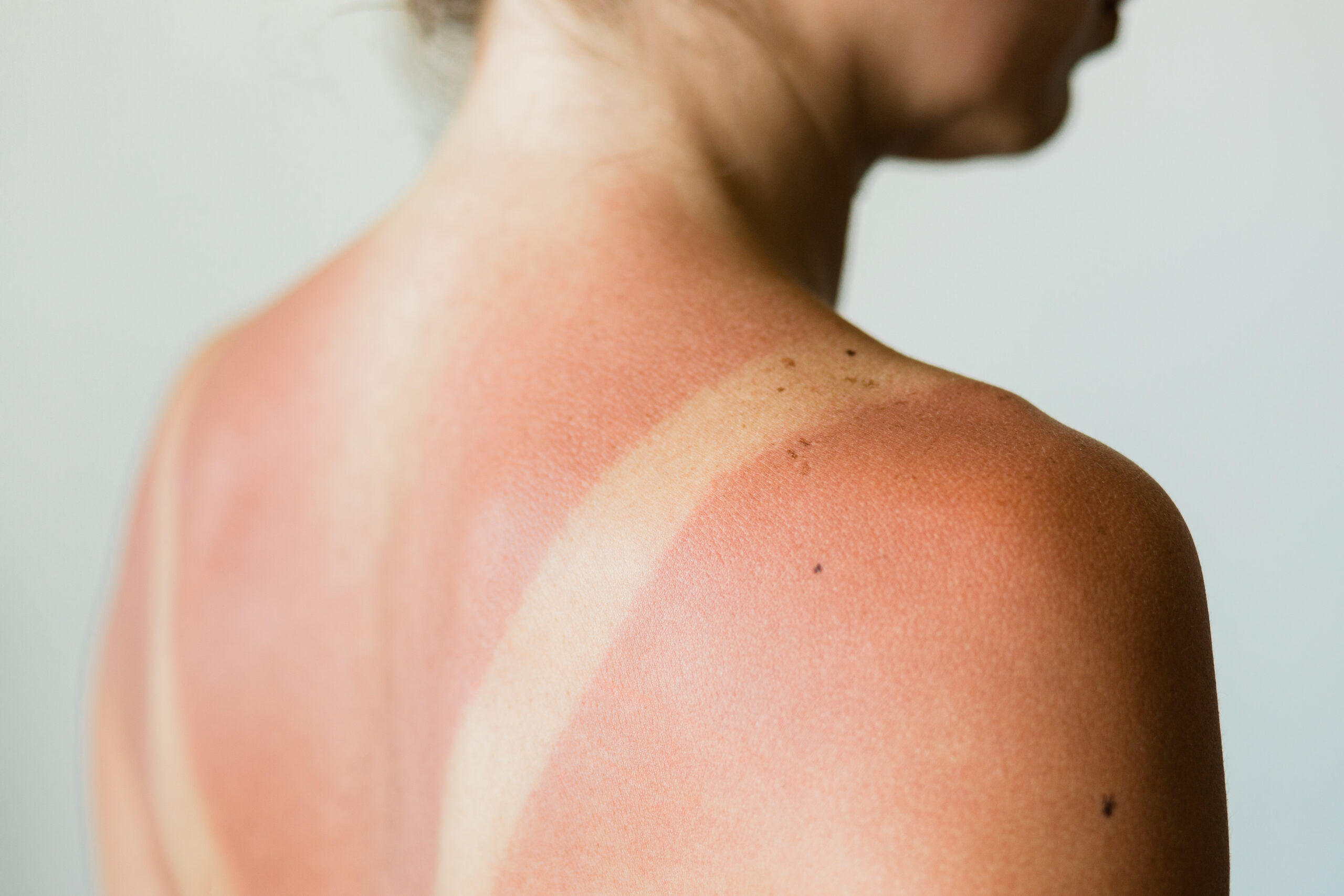
Pigmentation forms as part of the skin’s natural defence system. When exposed to UV radiation, the skin produces melanin to help protect itself from damage. Over time, repeated exposure can lead to uneven melanin distribution, which shows up as patches, areas of discolouration, or an overall lack of clarity in the skin.
Heat and inflammation can amplify this response. Skin that has been slightly stressed or compromised will often produce pigment more readily, which is why some skins feel like they hold onto pigmentation more than others.
By the time autumn arrives, the triggers may have reduced, but the pigment that has been produced remains within the skin. This is where a more targeted approach becomes important.
Understanding the different types of pigmentation
Sun-induced pigmentation tends to develop gradually and is often more localised. It is generally more stable and can respond well to targeted treatments when the skin is in a healthy state.
Melasma behaves quite differently. It is influenced by a combination of internal and external triggers, including hormones, heat, and light exposure. It often appears more diffuse and can be more reactive, which means it requires a much more controlled and gentle approach.
Post-inflammatory pigmentation develops as a result of skin disruption. Breakouts, irritation, or barrier damage can all lead to pigment being left behind as the skin heals. In these cases, calming the skin is just as important as correcting the pigment itself.
Why a more supportive approach works better
One of the most common challenges with pigmentation is the tendency to treat it too aggressively. While stronger treatments may create short-term improvement, they can also increase inflammation, which is one of the key drivers of ongoing pigment production.
A more supportive approach focuses on stabilising the skin first. Reducing inflammation, strengthening the barrier, and encouraging healthy cellular function all contribute to more consistent and long-term results.
How pigmentation is treated in clinic
At Skin Health Studio, pigmentation treatments are always guided by how the skin is presenting at the time.
LED Light Therapy is often used as a foundational treatment. It supports skin healing, reduces inflammation, and helps create a more stable environment for the skin to function properly. This aligns with how LED is used clinically to support cellular repair and reduce inflammatory pathways.
Skin Health Facials are tailored to support the barrier and encourage healthy turnover without overstimulating the skin. This approach reflects corneotherapy principles, where maintaining barrier integrity is key to improving skin function long term.
Radio Frequency (RF) treatments support overall skin function by improving circulation and cellular activity. While they do not directly target pigment, they contribute to a more even and resilient skin over time.
IPL Photo Rejuvenation can be introduced when the skin is stable enough for more targeted correction. It works by addressing visible pigment within the skin and is particularly effective for sun-induced pigmentation when used appropriately.
The role of Homecare during Autumn and Winter
At home skincare becomes particularly important during this time of year, as the skin is more receptive to consistent, supportive ingredients.
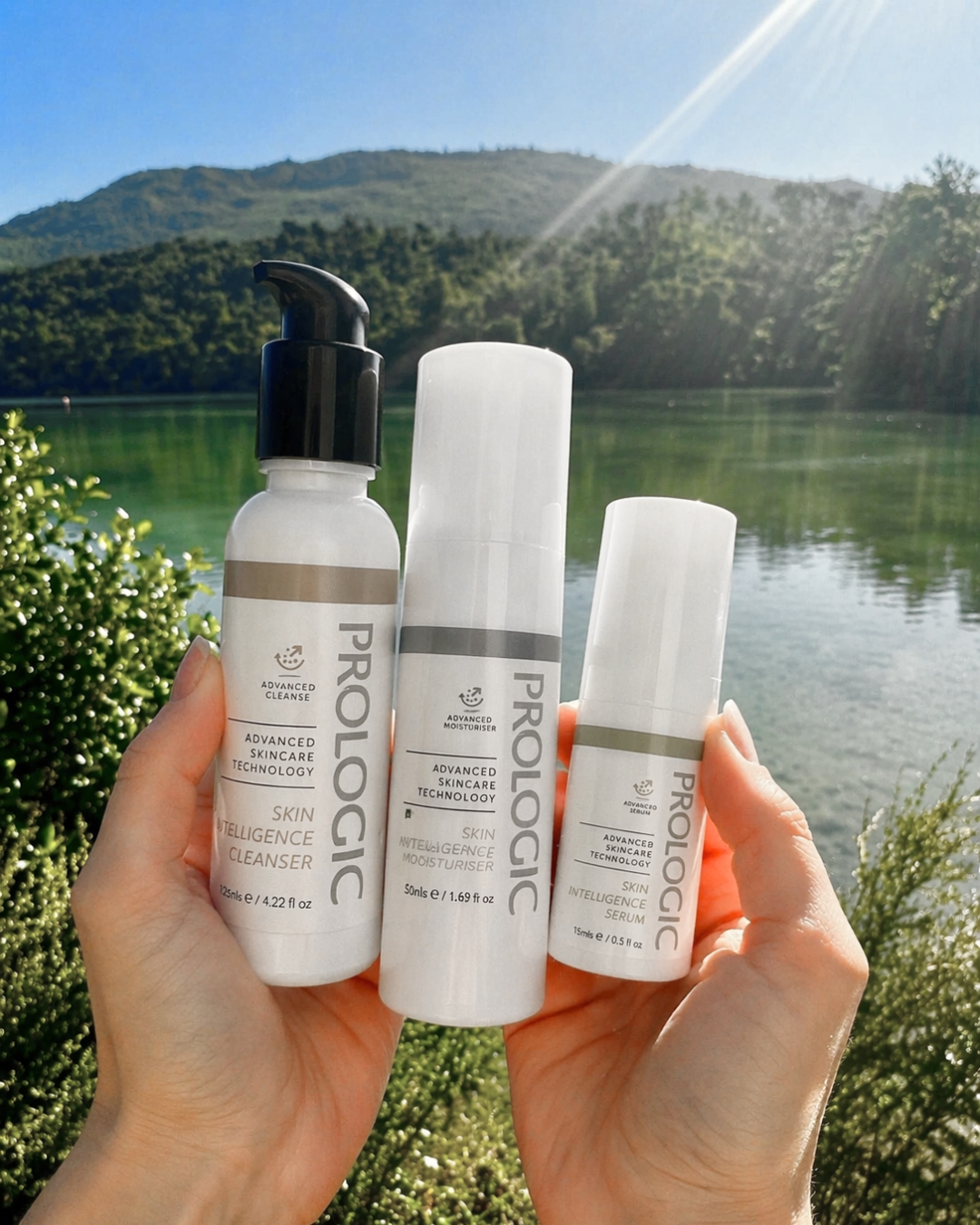
The Prologic Skin Intelligence range is designed to work across multiple stages of pigmentation. Ingredients such as Vitamin A, Vitamin C, Niacinamide, and Licorice Extract are well recognised in cosmetic chemistry for their role in supporting brighter, more even skin tone and regulating melanogenesis.
Dermaviduals focuses on barrier repair, supporting the corneotherapy principle that a stable skin barrier reduces inflammation and improves overall skin behaviour.
Osmosis provides a more restorative approach, supporting skin repair without increasing inflammation, which can be particularly beneficial for more reactive skin types.
At-home LED, such as the IllumiaSkin LED Face Masks, can be used to maintain results between treatments and help keep the skin calm and supported.
Where to start with treating Pigmentation
Autumn provides an opportunity to approach pigmentation in a more structured and effective way. With reduced environmental triggers, the skin is better able to respond to treatment and maintain results over time.
If you are unsure where your pigmentation sits or how best to approach it, this is something I can assess during your appointment. From there, we can build a plan that supports your skin properly, rather than working against it.
👉 Book a consultation to talk through the best option for your skin
~ Jemma