
Perioral dermatitis: Why your skin might be reacting
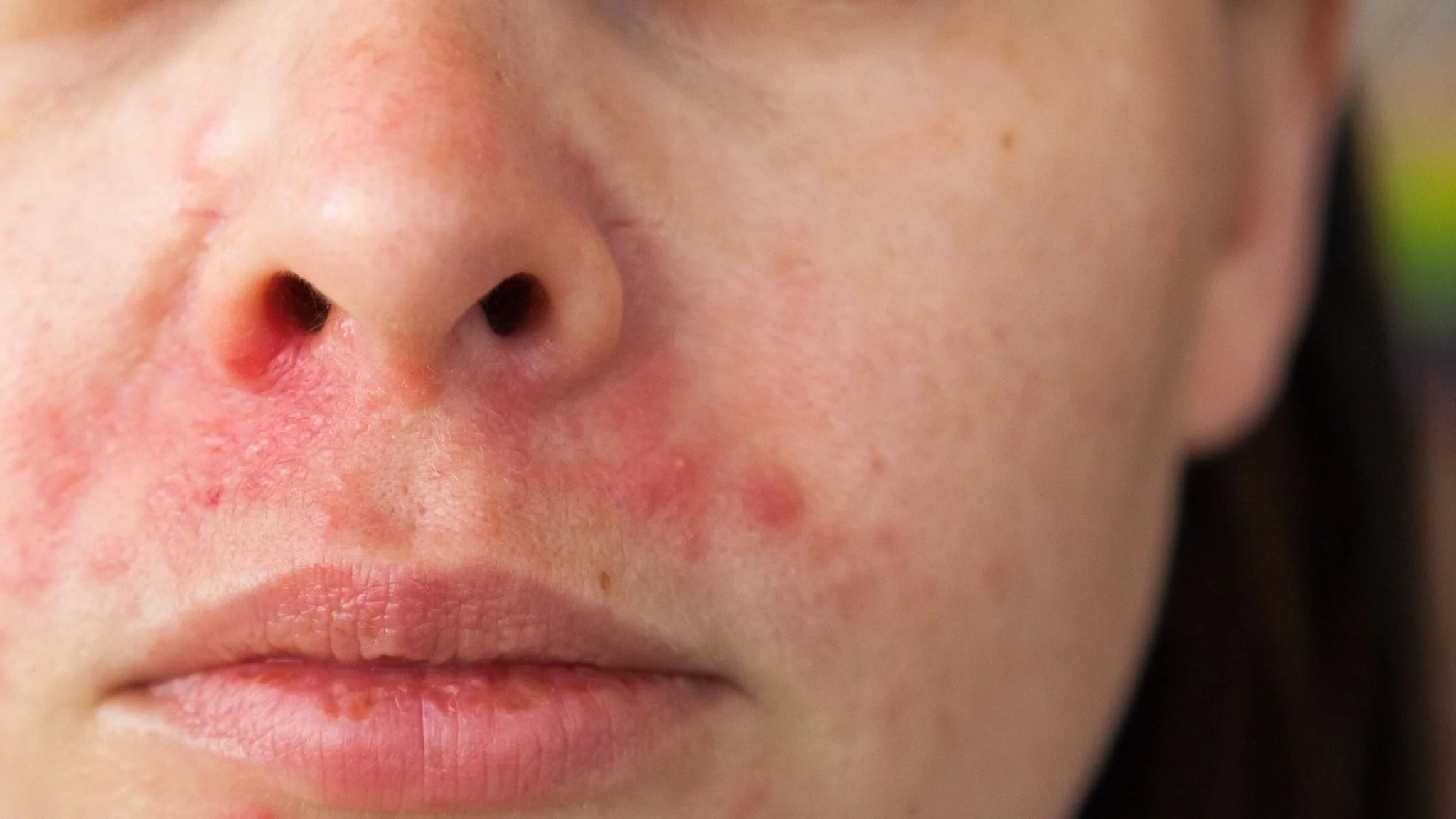
Perioral dermatitis can be incredibly frustrating, mostly because it often doesn’t behave the way people expect it to.
It can show up as small red bumps, dryness, flaking, irritation, burning or sensitivity around the mouth. For some people, it can also appear around the nose or eyes.
At the beginning, it’s easy to think it’s acne, rosacea, or sensitive skin having a moment. The skin can look bumpy, but it may also feel dry, tight, irritated or stingy. So when you try to treat it like a normal breakout, it often can flare even more.
What is perioral dermatitis?
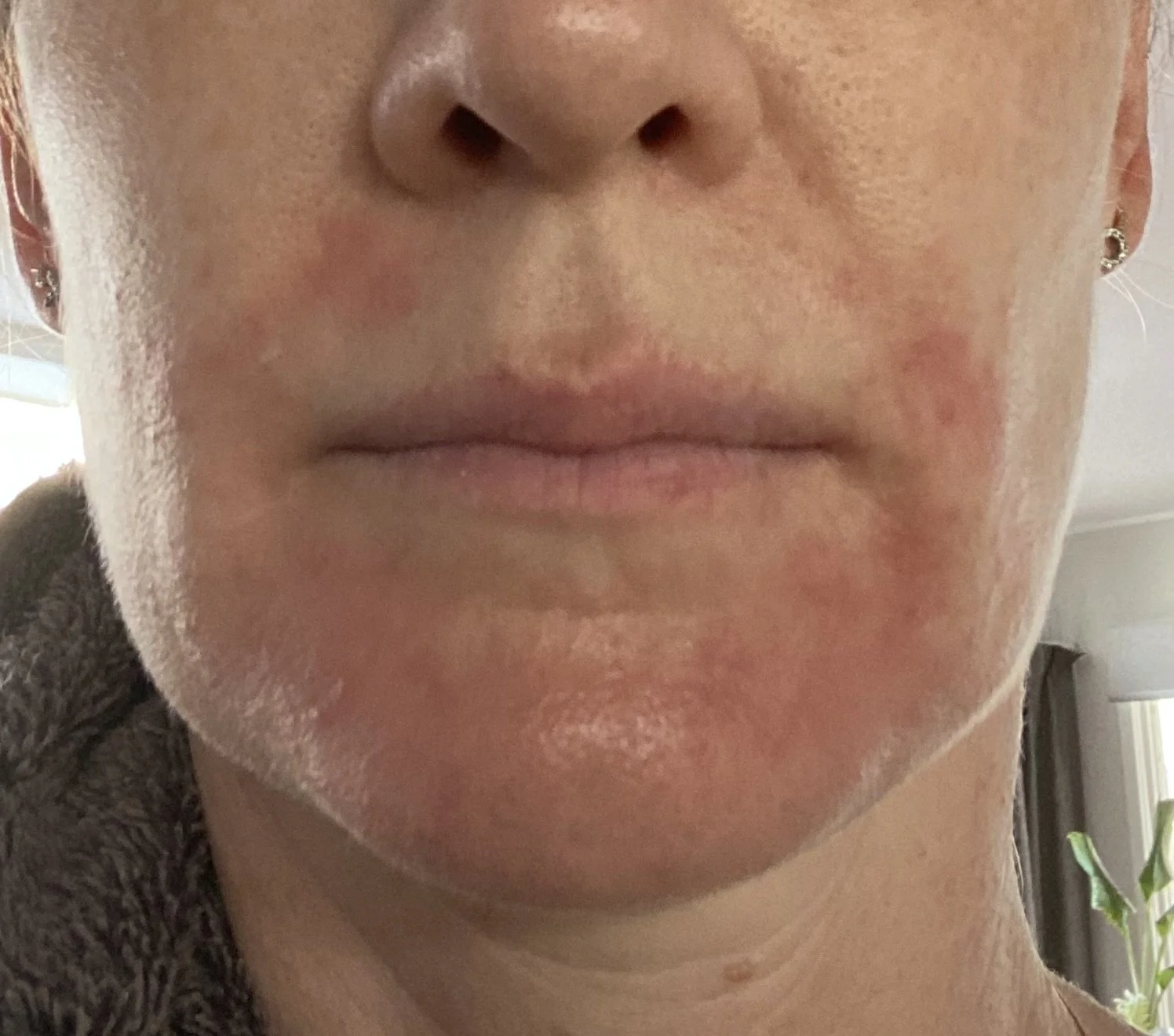
Perioral dermatitis is an inflammatory skin condition that usually affects the area around the mouth. It can also show up around the nose and eyes, which is why you may hear it called periorificial dermatitis.
It often appears as small red or pink bumps, sometimes with dryness, flaking or a burning feeling. It can come and go, and once the skin barrier is unsettled, it can be quite stubborn.
It can also look a little like other skin conditions, which disguises it a bit. The bumps can make it look like acne. The redness can make it look like rosacea. The burning, stinging and product sensitivity can make it feel like your skin has suddenly become sensitive to everything.
Why perioral dermatitis can flare
With perioral dermatitis, there isn’t always one clear cause. Your skin barrier, current products, active ingredients, stress, hormones, gut health, oral care products and steroid use can all be part of the picture.
Flares can also line up with hormonal shifts, stress, illness, poor sleep or times when the body feels generally run down. That context matters, because inflamed skin usually has more going on than the product you happened to use yesterday.
Too many actives or harsh treatments
When the skin starts to flare, it’s very tempting to do more to get it under control quickly. With perioral dermatitis, the skin often needs the opposite. Strong actives, over-exfoliation and harsh treatments can disrupt the skin barrier. Once the barrier is impaired, the skin is more likely to feel dry, stingy, irritated and reactive.
At that point, I’d usually be thinking about what we can take away for a while, rather than what else we can add in.
Steroid creams and inhalers
Steroid creams can be linked with perioral dermatitis, especially when they are used on the face. Some people notice the skin improves while they are using them, then flares again when they stop. Inhaled steroids can also be relevant for some people, especially if the product comes into contact with the skin around the mouth.
If you are using a prescription steroid cream or inhaler, please don’t stop or change it without speaking to your GP or dermatologist. From my side, it’s still helpful to know about it during consultation, because it can explain why the skin is behaving the way it is.
Toothpaste, cosmetics and skincare ingredients
Toothpaste and oral care products can irritate the skin around the mouth for some people. Cosmetics, heavy moisturisers, fragranced products, sunscreens or products that sit too heavily on the skin can also contribute.
Sometimes the thing keeping the skin irritated is not an obvious active serum. It might be a toothpaste, a lip product, a thick cream, or a product that was fine for years until the skin barrier became more reactive for other reasons.
Stress, hormones and gut health
Because perioral dermatitis is inflammatory, I also like to look at what is happening internally. Stress, hormonal changes, nervous system stress and gut imbalance can all influence inflammation in the body. For some people, that can make the skin more reactive and harder to settle.
That doesn’t mean the gut is always the cause, or that stress is the only reason the skin is flaring. But when the skin is inflamed and reactive, it makes sense to look at what the body has been dealing with too.
Why calming the skin comes first
When perioral dermatitis is active, the skin usually needs to be treated very gently.
That can be hard, because most people want to fix it quickly and I completely understand that. It’s hard not to feel self-conscious and frustrated.
The first step is often to calm things down. That may mean simplifying your routine, removing possible irritants, pausing strong actives, supporting the barrier and giving the skin a chance to settle.
I’m much more interested in getting the skin comfortable again than trying to dry it into behaving. Once the skin is calmer, we can make better decisions about what it needs next.
How we support reactive skin at Skin Health Studio
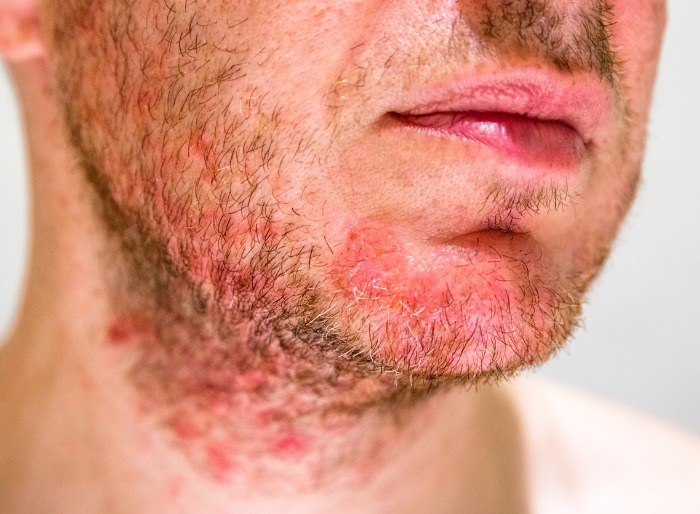
When someone comes in with skin like this, I want to look at what has been happening around the flare with a full skin consultation. That means looking at your skin, your current products, your skin history, your stress, your hormones, your digestion, your lifestyle, and any possible triggers that may be keeping the skin irritated.
Barrier repair is a big part of this. When the barrier is impaired, the skin is more likely to sting, burn, react and flare. Supporting the barrier can help the skin feel more comfortable and more settled over time.
For some clients, we may also look at internal support, gut health, gentle professional treatments, LED Light Therapy, or changes to homecare such as using Prologic’s Bio Balance IQ serum.
No two skins need quite the same plan.
Where to start with finding the right skincare?
If your skin feels red, bumpy, dry, burning, flaky or reactive around the mouth, book a Skin Consultation so we can go through what has been happening. We can look at your current routine, your skin history, your possible triggers, and what support your skin may need first.
If your skin is painful, worsening quickly, infected, affecting your eyes, or connected to steroid medication, it is also important to speak with your GP or dermatologist.
If you are not local to Dunedin, you can also start with an Online Consultation Form, and I can guide you from there.
👉 Book a consultation to talk through the best option for your skin
~ Jemma