
Is your skincare helping your skin, or slowly disrupting it?
Understanding what your products are really doing in the skin

One of the reasons I was so excited to host Rachel Robertson at Skin Health Studio is because she brings such a deep and practical understanding of skin, ingredients, and formulation.
Rachel is the founder of Prologic Skincare, but her experience goes far beyond creating a product range. She began her career as a skin therapist, has completed postgraduate study in cosmetic chemistry, personally formulates the Prologic range, and is recognised internationally through her work in corneotherapy. She understands what happens in real skin, and she understands the science behind the products we use on it.
During our Prologic VIP Evening, Rachel spoke about something I think more clients should understand clearly. Your skincare is never just the active ingredient written on the front of the bottle. The full formulation matters, and how all of those ingredients sit together can change how your skin responds.
This is especially important for skin that is already inflamed, reactive, acne-prone, pigment-prone, dry, or barrier-impaired. These skins often do not need more intensity. What they really need better support, better formulation, and a routine that makes sense for where the skin is actually at.
Why cosmetic chemistry matters for real skin
Cosmetic chemistry looks at how skincare products are created, preserved, delivered, and tolerated by the skin. It helps explain why one product can feel beautiful for one person, while another person becomes more reactive.
Quite often, clients come in using products that look good on paper. The ingredients sound right and the routine seems sensible. But their skin still feels tight, red, congested, dry, or unsettled. In those cases, we need to look at the full formula to find potential issues.
A product may contain a high qyality ingredient, but if the surrounding formulation is too stripping, too fragranced, too active, or simply wrong for that skin, the result may not be supportive.
Ingredients that can slowly unsettle the skin
Rachel spoke about a few ingredient categories that many people see on skincare labels but do not always understand. Preservatives were one of them.
Preservatives are needed in many skincare products, especially formulas that contain water. They help keep products safe to use by preventing bacteria, yeast, and mould from growing.
Phenoxyethanol
Phenoxyethanol is a preservative. Its job is to help stop bacteria, yeast, and mould from growing in a product, especially once it has been opened and used.
It is very common in skincare and is considered safe within regulated limits. The thing to understand is that it does not benefit the skin itself. It benefits the formula.
For many people, it is not a problem. For very sensitive or eczema-prone skins, it can sometimes be irritating, especially when it appears across multiple products in a routine and the skin barrier is already under stress.
Chlorphenesin
Chlorphenesin is also used as a preservative. It helps protect a product and keep the formula stable.
It is generally considered low risk at normal cosmetic use levels, but some skins can still react to it. This is where sensitive skin becomes a little more complicated. An ingredient can be considered safe overall and still be unhelpful for a particular person’s skin.
If your skin is stinging, red, itchy, or constantly unsettled, ingredients like this can be worth reviewing as part of the whole routine.
Imidazolidinyl urea
Imidazolidinyl urea is a formaldehyde-releasing preservative. This means it helps preserve a product by slowly releasing very small amounts of formaldehyde within the formula.
This is one I like clients to understand, especially if they have a history of dermatitis, allergy, or unexplained reactions.
Formaldehyde and formaldehyde-releasing preservatives can trigger contact allergy in some people. That can show up as red, itchy, irritated, eczema-like skin, sometimes hours or days after using the product.
Fragrance, surfactants, and barrier stress
Fragrance was another important part of the conversation. It can make skincare feel luxurious, but it is also one of the most common triggers for cosmetic contact allergy and irritation.
Natural fragrance and synthetic fragrance can both be a problem for some skins, which is why I never assume something is gentle just because it sounds natural.
We also talked about fragrance in a wider sense, including concerns around certain fragrance-related chemicals and endocrine disruption. This area needs to be spoken about carefully, because fragrance is a broad term. For reactive, inflamed, pigment-prone, or barrier-impaired skin, it is often one of the first things worth reviewing.
Surfactants were another big topic, especially SLS and similar strong cleansing agents. Surfactants help lift oil, dirt, makeup, SPF, and debris from the skin. Some are gentle, while others can leave the skin feeling tight, dry, or stripped.
If your skin feels squeaky clean after cleansing, that is usually not a good sign. Cleansing should leave the skin clean, but still comfortable. The wrong cleanser can undo a lot of good work, especially when you’re using it every day and your barrier is already under stress. If your cleanser is leaving your skin tight or stripped, this is where a barrier-focused cleanser, like the Prologic Skin Intelligence Cleanser, may be more appropriate.
Why Prologic fits this way of thinking
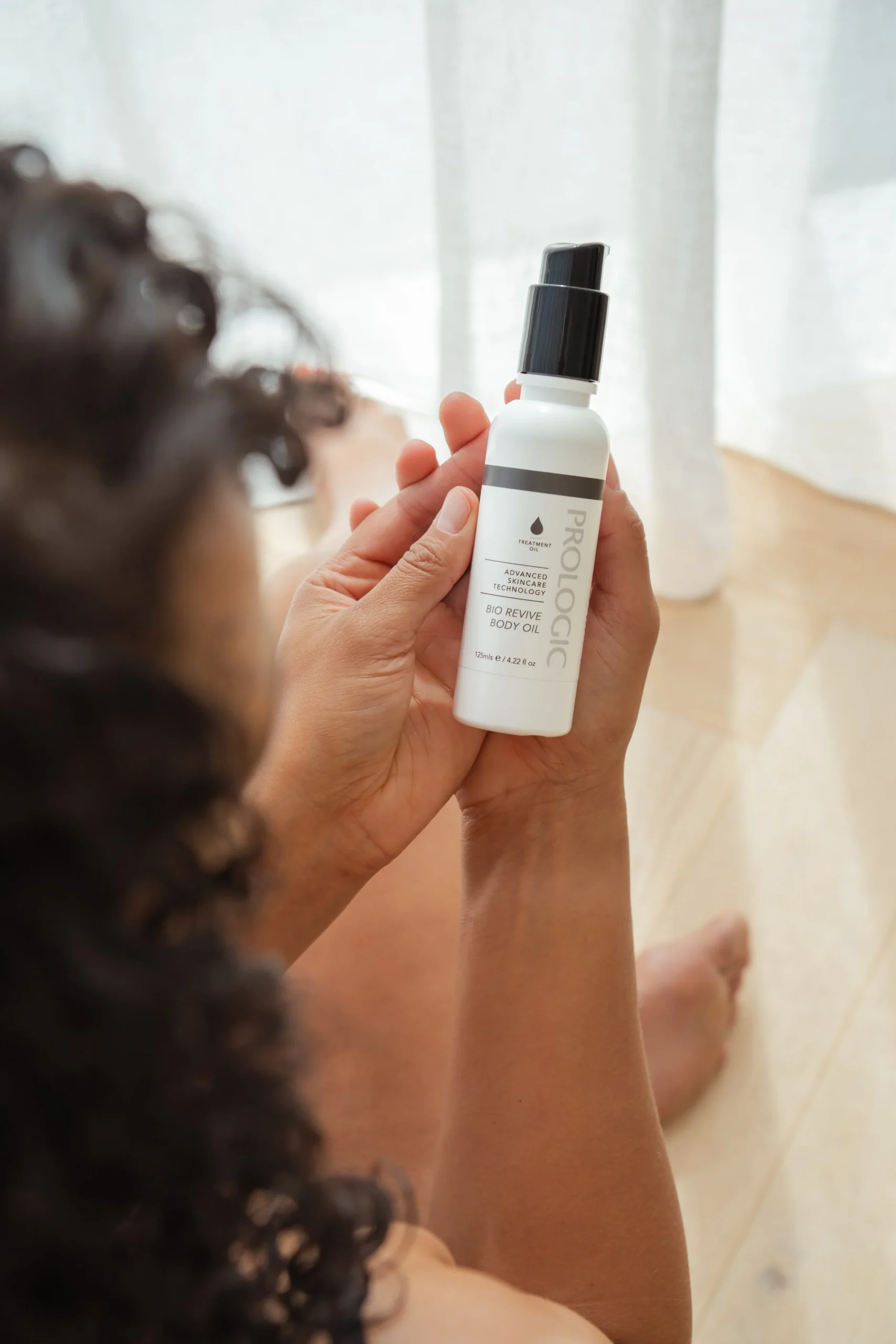
This is one of the reasons I love working with Prologic Skincare. Rachel’s approach is rooted in corneotherapy, cosmetic chemistry, and real skin function. The range has been formulated with the barrier, inflammation, microbiome, and long-term skin health in mind.
When the skin barrier is strong, the skin tends to become less reactive. When inflammation is lower, concerns like pigmentation, sensitivity, congestion, and dehydration often become easier to manage. When ingredients are chosen carefully, the skin can respond without constantly being pushed.
The longer you use the right skincare, the calmer and more predictable your skin should start to feel.
How to look at your own skincare routine
One thing I hope everyone took away from Rachel’s talk is that skincare should make sense. You should understand why you are using something and you should know what each product is doing. Your routine should leave your skin feeling calmer, stronger, and more supported over time.
If your skin is becoming more reactive, more inflamed, drier, more congested, or more pigmented, you may need to double checkthe products you are using every day.
Where to start with finding the right skincare?
If you are feeling unsure about your skincare, the best place to start is with a proper look at your skin and your current routine. At Skin Health Studio, this is something I work through during Skin Consultations. We look at what your skin is doing, what it has been through, what you are currently using, and where things may need to change.
If you are not local to Dunedin, you can also start with an Online Consultation Form, and I can guide you from there.
👉 Book a consultation to talk through the best option for your skin
~ Jemma