Why true skin transformation starts within

Why true skin transformation starts within

Wellness and skin health at Skin Health Studio

LED Red Light at home Face Masks

At Skin Health Studio, we believe beautiful skin is more than what you apply topically: It is a reflection of your internal health, lifestyle, stress levels, nutrition, and overall wellbeing.

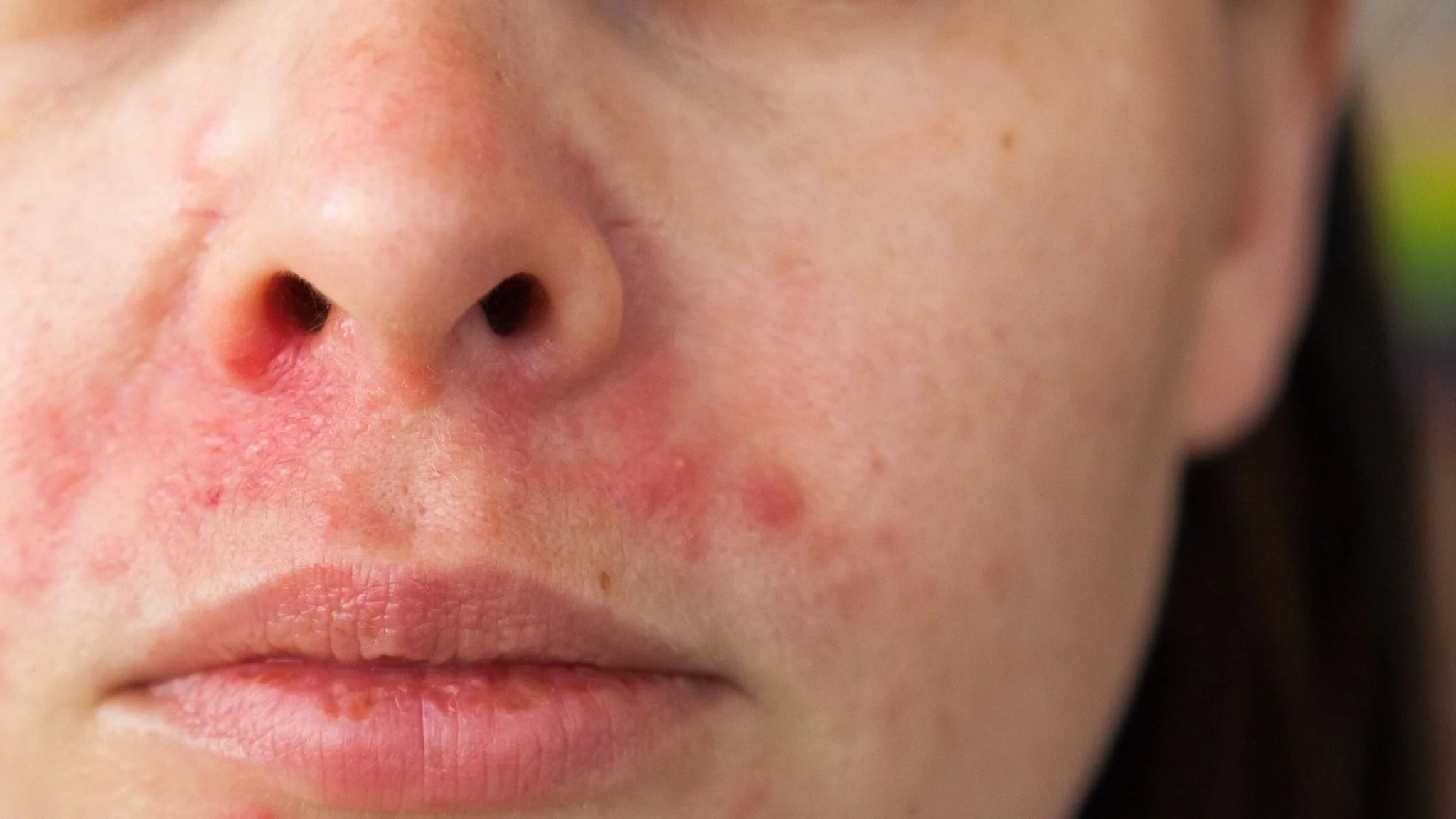
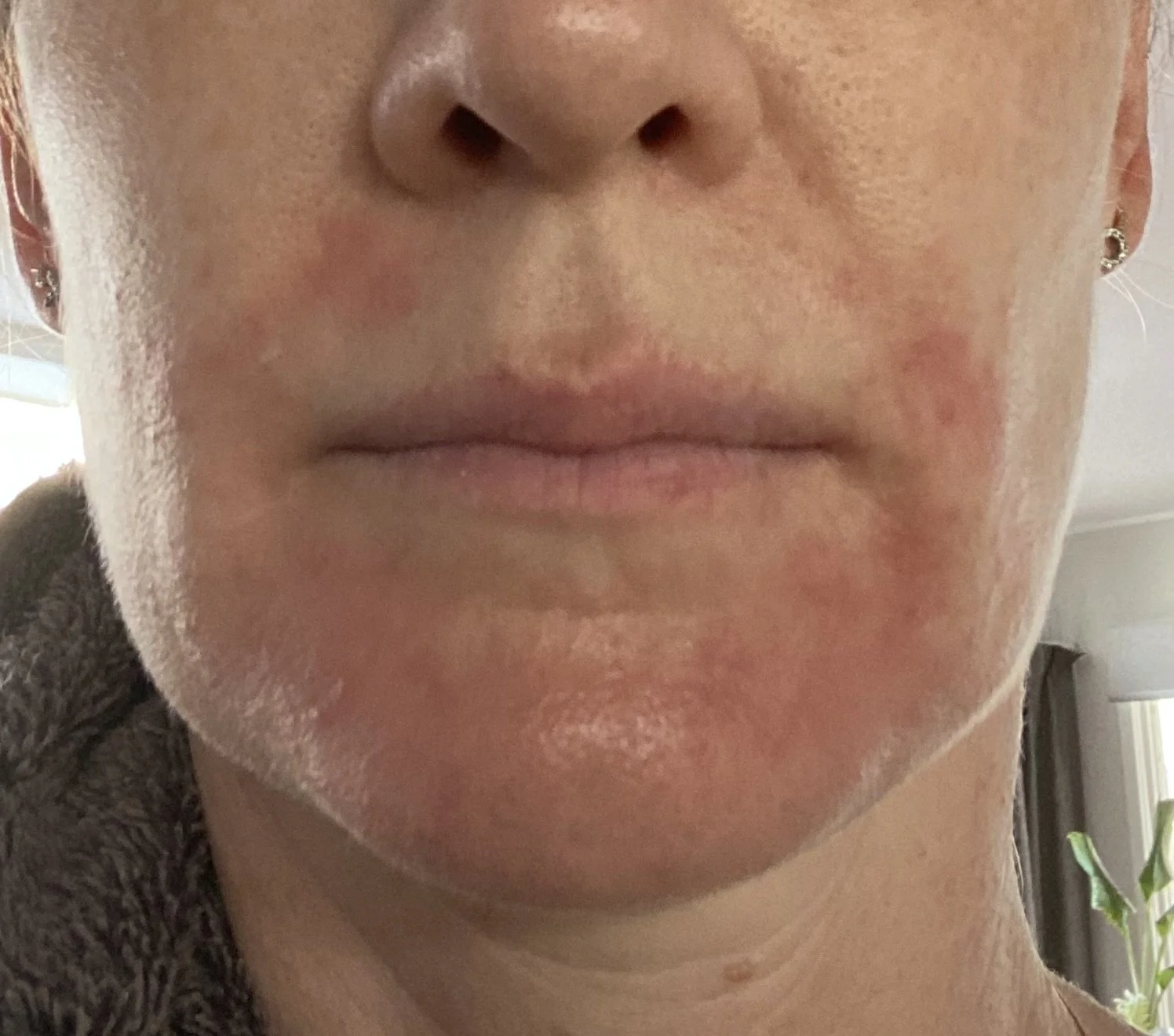
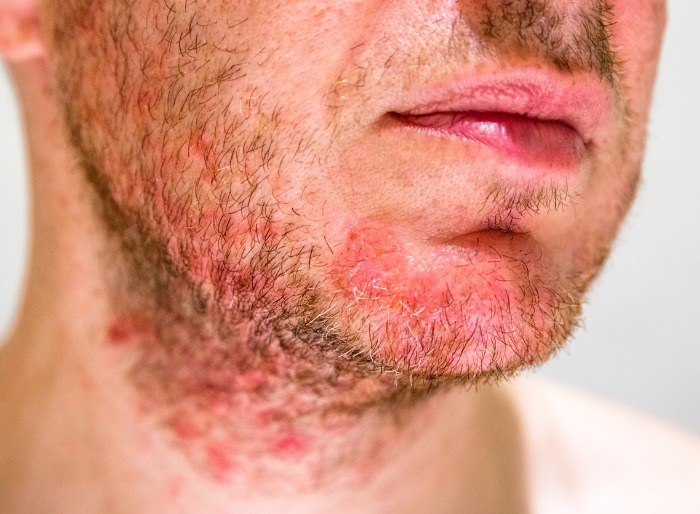
In today’s busy world, many people experience inflammation, hormonal imbalance, gut dysfunction, stress, poor sleep, and nutritional depletion… all of which can appear on the skin as acne, rosacea, pigmentation, sensitivity, premature ageing, and dullness.

While many skincare products focus only on treating the surface, true long-term skin health comes from supporting the body as a whole.

A holistic approach to skin health

Many people come to skin through products first. They try stronger actives, more exfoliation, or treatments that promise quick visible change.

Sometimes that gives the skin a short-term boost. But if the barrier is struggling, inflammation is high, or the body is under stress, the skin can end up feeling even more unsettled.

For me, the focus in our clinic is always on skin that becomes stronger, calmer and more resilient over time. That means supporting the skin barrier, reducing inflammation, encouraging repair, and looking at the internal factors that may be keeping the skin reactive.

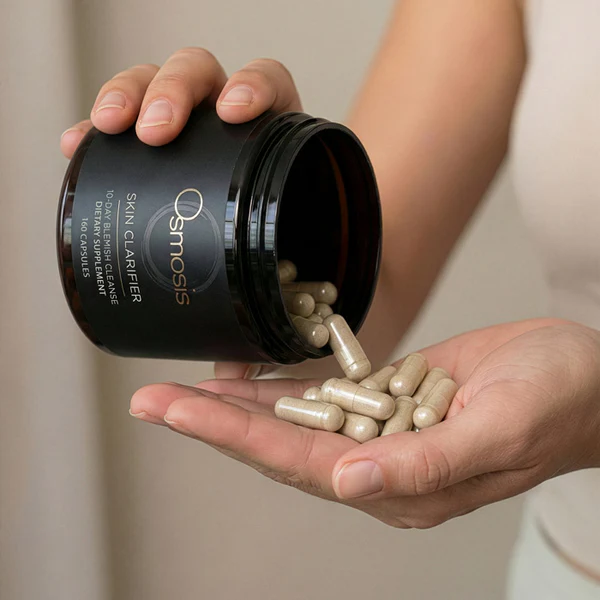
Why I love Osmosis

What I like about Osmosis is that it suits this way of thinking. Osmosis supports repair, restoration, cellular communication and the internal factors that can influence skin health. It does this without constantly pushing the skin harder or relying on aggressive resurfacing.

Their philosophy is simple: Healthy skin is created by a healthy body.

For skin dealing with inflammation, sensitivity, pigmentation, premature ageing, acne, rosacea-prone flare-ups, or a barrier that has been overworked, this kind of support can make a real difference. 

The gut-skin connection

The gut is one of the biggest areas I look at when we are working on long-term skin health. When gut function is imbalanced or inflamed, the body can experience wider inflammation, poor detoxification, nutrient depletion and immune changes. For some people, that can show up through the skin.

What this can look like in the skin

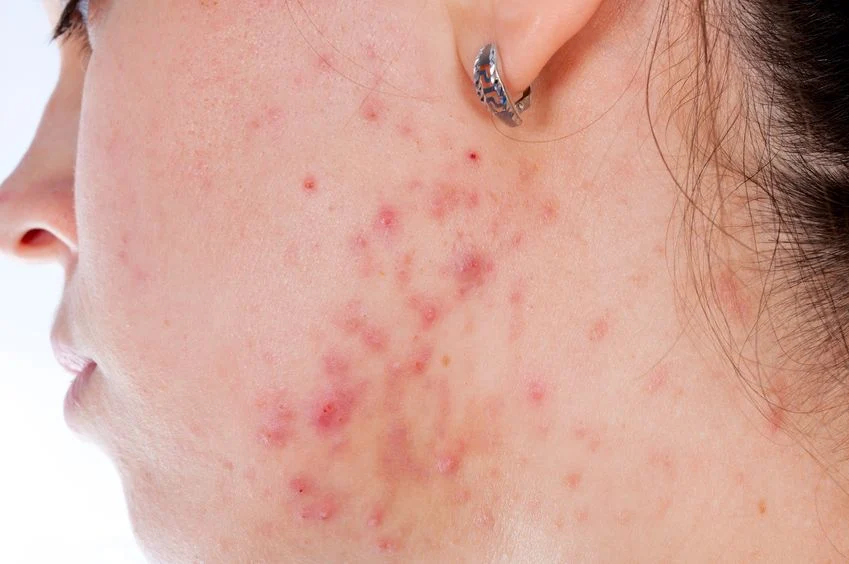
This might look like acne, rosacea-prone redness, eczema-prone dryness, sensitivity, inflammation, dullness, impaired barrier function or skin that seems slow to repair.

Every skin concern is different, and the gut is only one part of the picture. But it can be an important part, especially when the skin is inflamed, reactive, or not responding the way we would expect.

Why internal support matters

When the body is under pressure, the skin often shows it before we realise how much is going on.

Supporting the gut and the body more broadly can help support skin clarity, hydration, inflammation, immune response, hormonal balance and overall vitality. This is why I ask so many questions during consultations.

Those details help me understand what your skin may need next.

Skin longevity over quick fixes

Skin longevity is something I focus on a lot in clinic, because there’s a big difference between a quick glow up and skin that is genuinely getting stronger. A quick glow can feel lovely, but long-term skin health is about function.

Stronger skin over time

Osmosis products are designed to support repair, collagen health, barrier restoration, cellular communication and healthy ageing. When we use them as part of a considered plan, they can support the skin without overwhelming it.

For some clients, we may also include Skin Health Facials, MediLUX LED Light Therapy, barrier repair, internal wellness support or changes to homecare, depending on what the skin needs.

The plan will always depend on the person.

Wellness is self-care

Taking care of your skin is also about taking care of yourself. Good nutrition, hydration, sleep, stress support, movement and nervous system care all matter. So does choosing skincare that supports your barrier and treatments that suit where your skin is at.

This doesn’t have to mean doing everything perfectly. It means understanding what your skin and body need, then building a plan that supports both. It is about balance, vitality, and supporting your body from within.

And when your skin starts to feel calmer and more predictable, it can make such a difference to your confidence as well.

Where to start with finding the right skincare?

If you would like guidance on a personalised wellness and skin journey, I would love to support you with tailored treatments, skincare, and wellness recommendations designed specifically for your skin goals.

During a Skin Consultation, we can look at your skin properly, talk through your current routine, your internal health, your lifestyle, your stress, your sleep, your skin history, and what we are actually trying to achieve.

From there, we can build a plan that supports your skin from the inside and the outside.

If you are not local to Dunedin, you can also start with an Online Consultation Form, and I can guide you from there.

👉 Book a consultation to talk through the best option for your skin

~ Jemma

Is your skincare helping your skin, or slowly disrupting it?

Is your skincare helping your skin, or slowly disrupting it?

Understanding what your products are really doing in the skin

LED Red Light at home Face Masks

One of the reasons I was so excited to host Rachel Robertson at Skin Health Studio is because she brings such a deep and practical understanding of skin, ingredients, and formulation.

Rachel is the founder of Prologic Skincare, but her experience goes far beyond creating a product range. She began her career as a skin therapist, has completed postgraduate study in cosmetic chemistry, personally formulates the Prologic range, and is recognised internationally through her work in corneotherapy. She understands what happens in real skin, and she understands the science behind the products we use on it.

During our Prologic VIP Evening, Rachel spoke about something I think more clients should understand clearly. Your skincare is never just the active ingredient written on the front of the bottle. The full formulation matters, and how all of those ingredients sit together can change how your skin responds.

This is especially important for skin that is already inflamed, reactive, acne-prone, pigment-prone, dry, or barrier-impaired. These skins often do not need more intensity. What they really need better support, better formulation, and a routine that makes sense for where the skin is actually at. 

Why cosmetic chemistry matters for real skin

Cosmetic chemistry looks at how skincare products are created, preserved, delivered, and tolerated by the skin. It helps explain why one product can feel beautiful for one person, while another person becomes more reactive.

Quite often, clients come in using products that look good on paper. The ingredients sound right and the routine seems sensible. But their skin still feels tight, red, congested, dry, or unsettled. In those cases, we need to look at the full formula to find potential issues.

A product may contain a high qyality ingredient, but if the surrounding formulation is too stripping, too fragranced, too active, or simply wrong for that skin, the result may not be supportive.

Ingredients that can slowly unsettle the skin

Rachel spoke about a few ingredient categories that many people see on skincare labels but do not always understand. Preservatives were one of them.

Preservatives are needed in many skincare products, especially formulas that contain water. They help keep products safe to use by preventing bacteria, yeast, and mould from growing.

Phenoxyethanol

Phenoxyethanol is a preservative. Its job is to help stop bacteria, yeast, and mould from growing in a product, especially once it has been opened and used.

It is very common in skincare and is considered safe within regulated limits. The thing to understand is that it does not benefit the skin itself. It benefits the formula.

For many people, it is not a problem. For very sensitive or eczema-prone skins, it can sometimes be irritating, especially when it appears across multiple products in a routine and the skin barrier is already under stress.

Chlorphenesin

Chlorphenesin is also used as a preservative. It helps protect a product and keep the formula stable.

It is generally considered low risk at normal cosmetic use levels, but some skins can still react to it. This is where sensitive skin becomes a little more complicated. An ingredient can be considered safe overall and still be unhelpful for a particular person’s skin.

If your skin is stinging, red, itchy, or constantly unsettled, ingredients like this can be worth reviewing as part of the whole routine.

Imidazolidinyl urea

Imidazolidinyl urea is a formaldehyde-releasing preservative. This means it helps preserve a product by slowly releasing very small amounts of formaldehyde within the formula.

This is one I like clients to understand, especially if they have a history of dermatitis, allergy, or unexplained reactions.

Formaldehyde and formaldehyde-releasing preservatives can trigger contact allergy in some people. That can show up as red, itchy, irritated, eczema-like skin, sometimes hours or days after using the product.

Fragrance, surfactants, and barrier stress

Fragrance was another important part of the conversation. It can make skincare feel luxurious, but it is also one of the most common triggers for cosmetic contact allergy and irritation.

Natural fragrance and synthetic fragrance can both be a problem for some skins, which is why I never assume something is gentle just because it sounds natural.

We also talked about fragrance in a wider sense, including concerns around certain fragrance-related chemicals and endocrine disruption. This area needs to be spoken about carefully, because fragrance is a broad term. For reactive, inflamed, pigment-prone, or barrier-impaired skin, it is often one of the first things worth reviewing.

Surfactants were another big topic, especially SLS and similar strong cleansing agents. Surfactants help lift oil, dirt, makeup, SPF, and debris from the skin. Some are gentle, while others can leave the skin feeling tight, dry, or stripped.

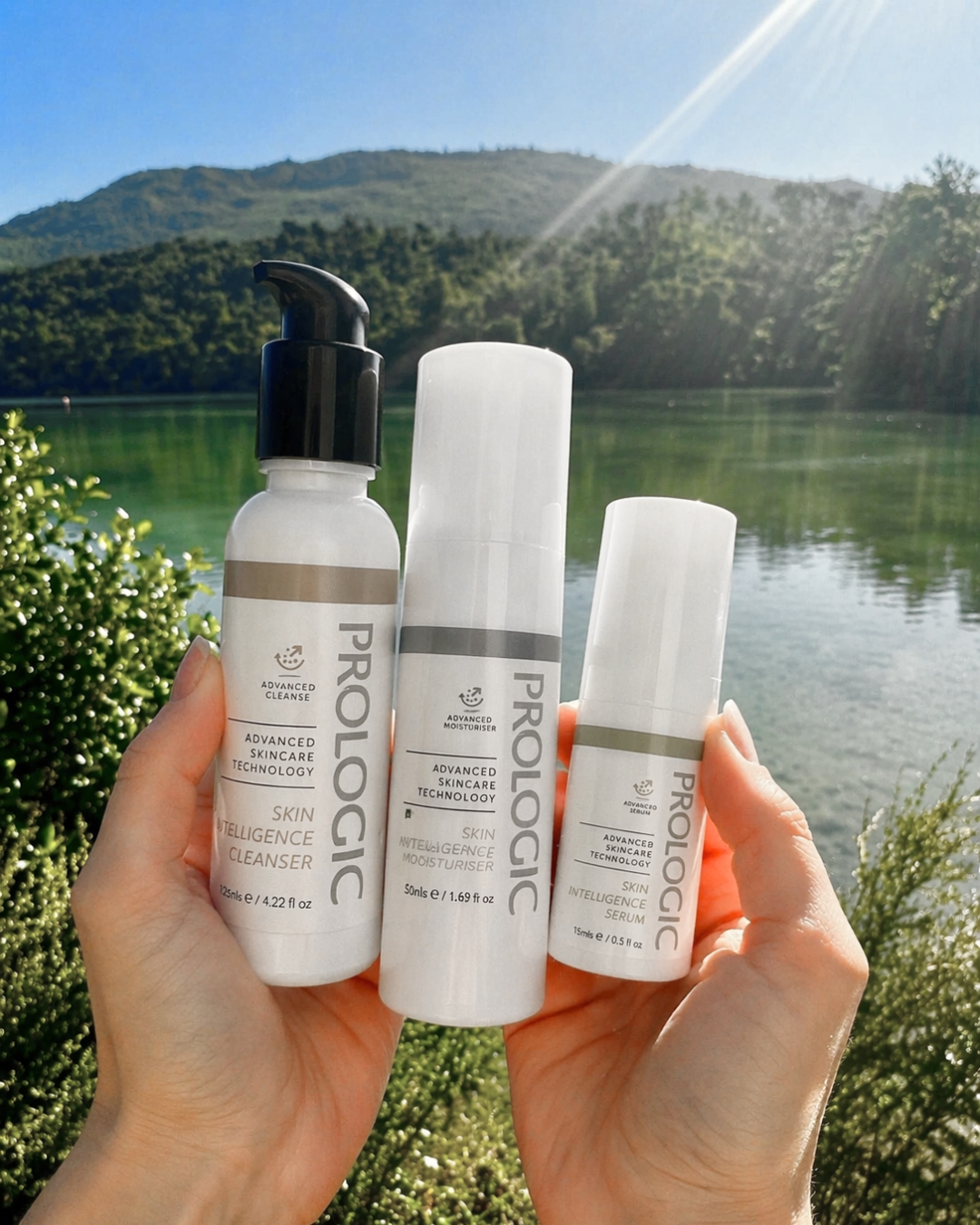
If your skin feels squeaky clean after cleansing, that is usually not a good sign. Cleansing should leave the skin clean, but still comfortable. The wrong cleanser can undo a lot of good work, especially when you’re using it every day and your barrier is already under stress. If your cleanser is leaving your skin tight or stripped, this is where a barrier-focused cleanser, like the Prologic Skin Intelligence Cleanser, may be more appropriate.

Why Prologic fits this way of thinking

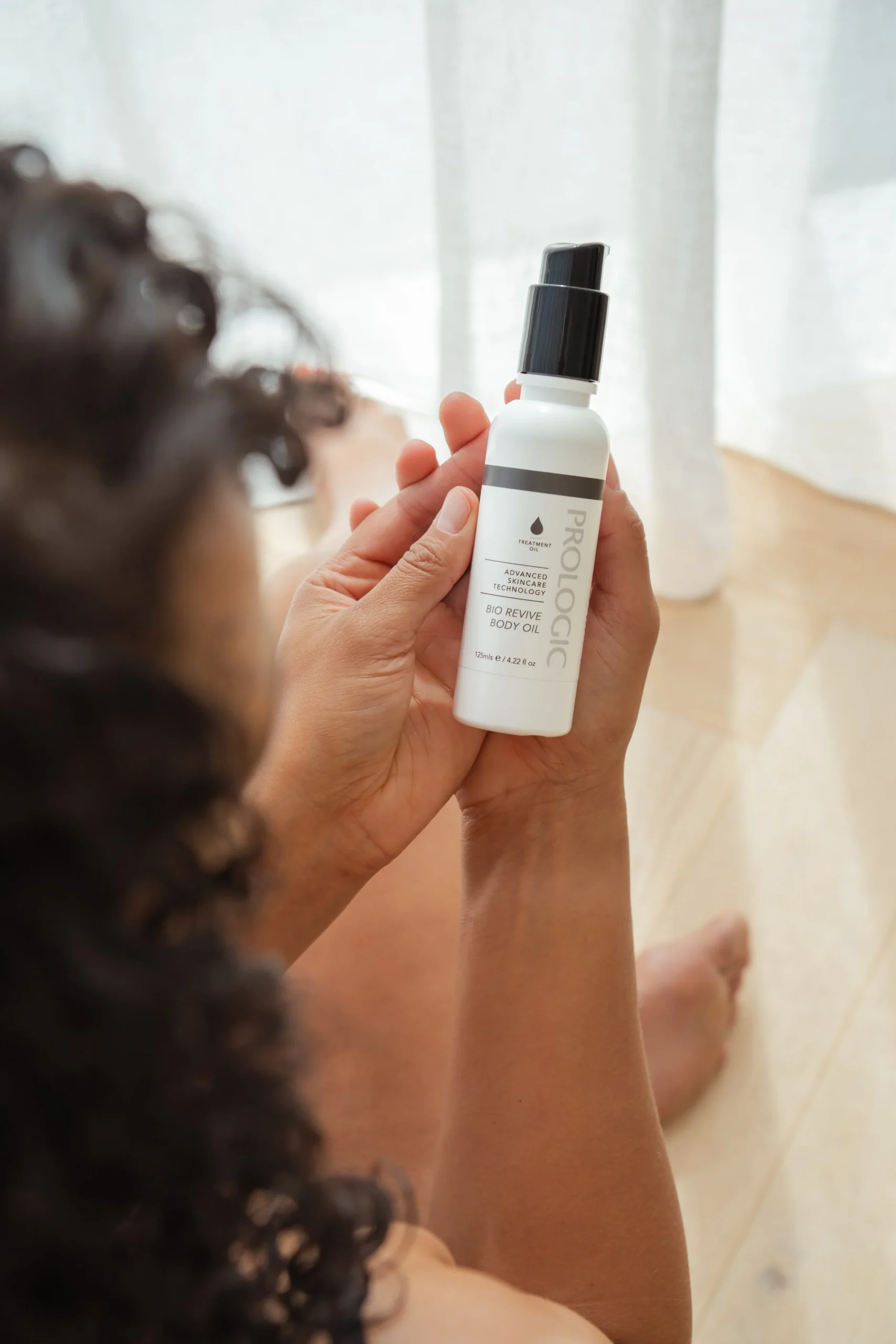
This is one of the reasons I love working with Prologic Skincare. Rachel’s approach is rooted in corneotherapy, cosmetic chemistry, and real skin function. The range has been formulated with the barrier, inflammation, microbiome, and long-term skin health in mind.

When the skin barrier is strong, the skin tends to become less reactive. When inflammation is lower, concerns like pigmentation, sensitivity, congestion, and dehydration often become easier to manage. When ingredients are chosen carefully, the skin can respond without constantly being pushed.

The longer you use the right skincare, the calmer and more predictable your skin should start to feel.

How to look at your own skincare routine

One thing I hope everyone took away from Rachel’s talk is that skincare should make sense. You should understand why you are using something and you should know what each product is doing. Your routine should leave your skin feeling calmer, stronger, and more supported over time.

If your skin is becoming more reactive, more inflamed, drier, more congested, or more pigmented, you may need to double checkthe products you are using every day.

Where to start with finding the right skincare?

If you are feeling unsure about your skincare, the best place to start is with a proper look at your skin and your current routine. At Skin Health Studio, this is something I work through during Skin Consultations. We look at what your skin is doing, what it has been through, what you are currently using, and where things may need to change.

If you are not local to Dunedin, you can also start with an Online Consultation Form, and I can guide you from there.

👉 Book a consultation to talk through the best option for your skin

~ Jemma

Seasonal Pigmentation and how to treat it properly

LED Red Light at home Face Masks

Seasonal Pigmentation and how to treat it properly

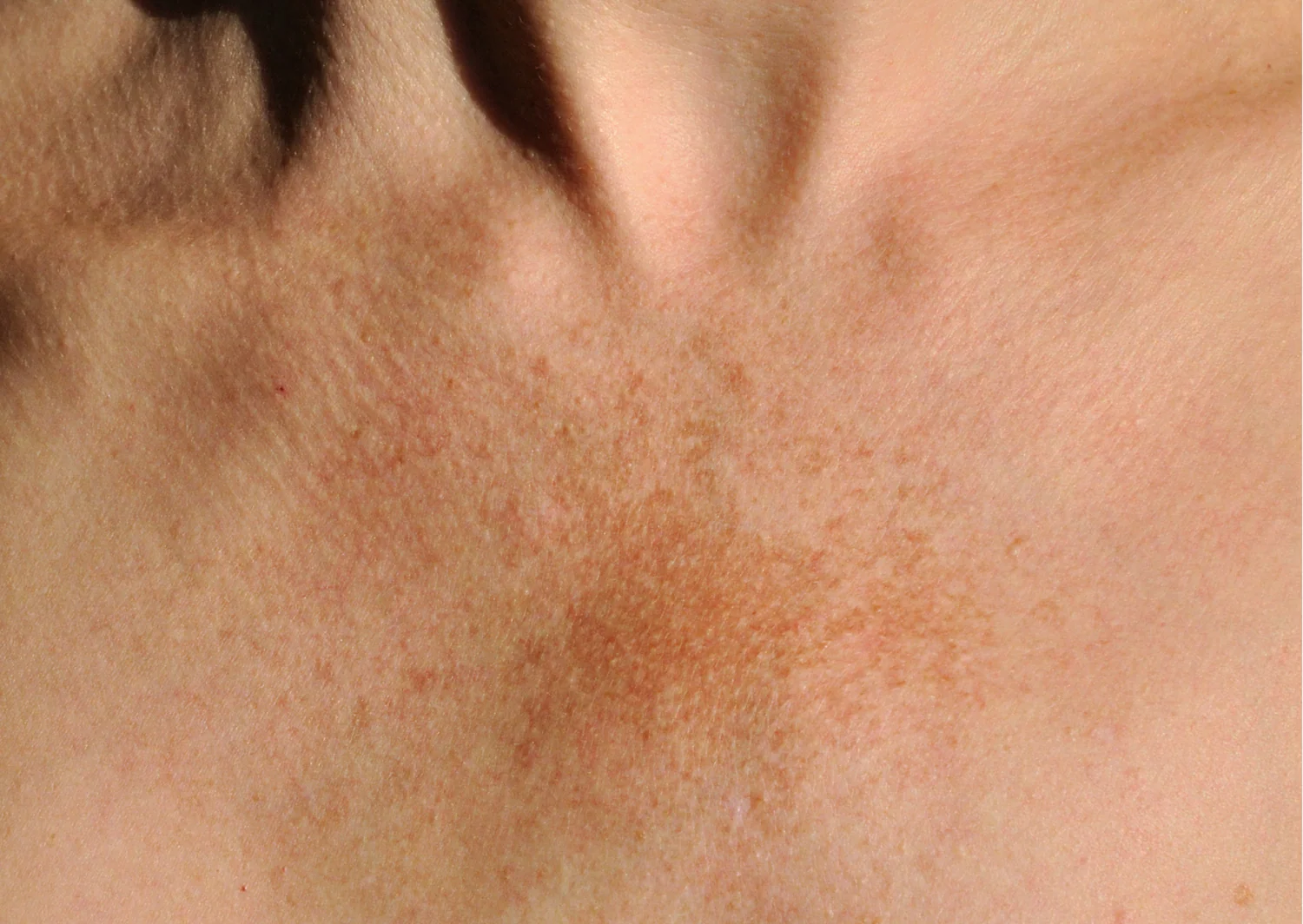
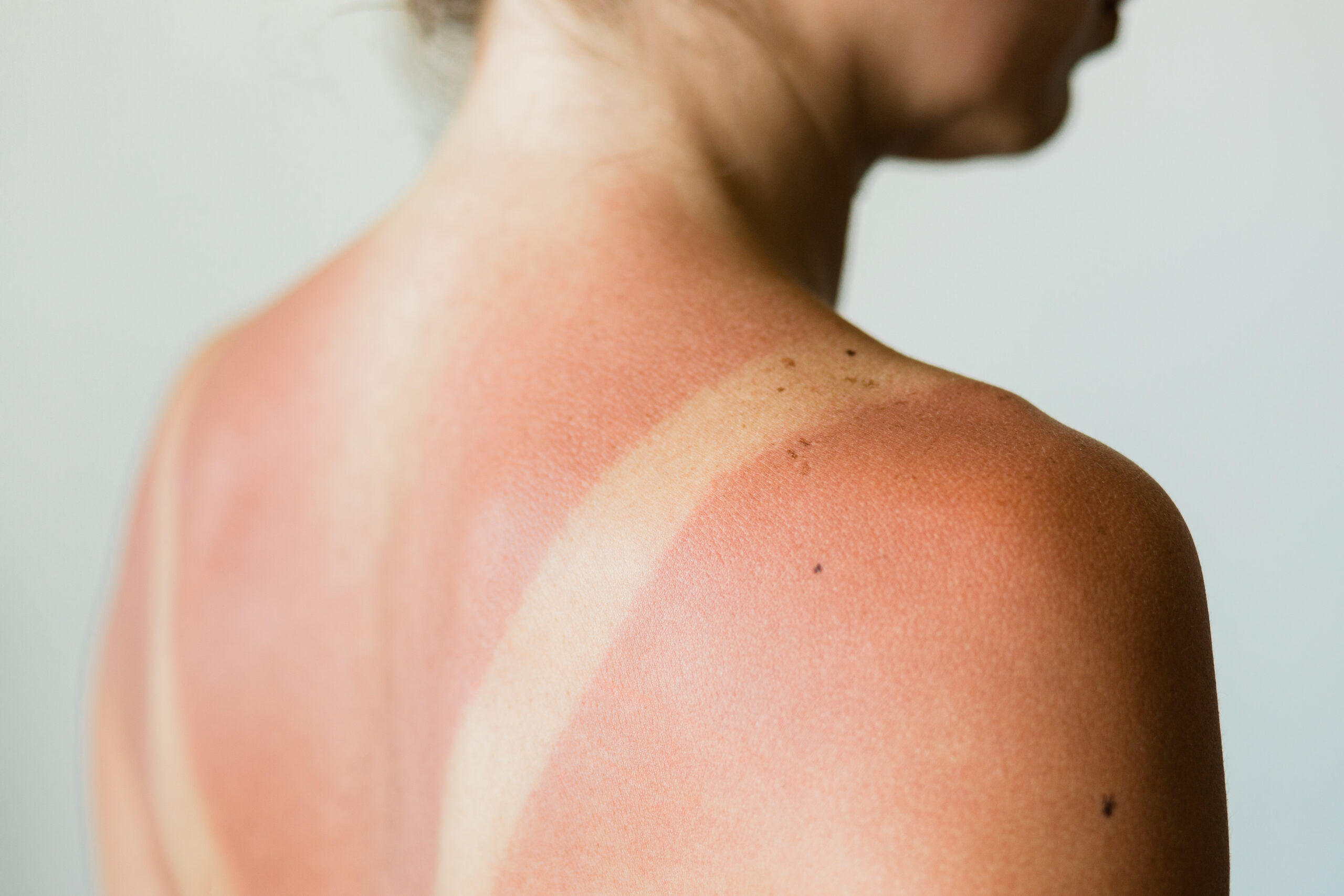
After summer, it’s very common to see pigmentation sitting more visibly. This isn’t because anything new has suddenly developed, but because of what the skin has been exposed to over the warmer months. UV exposure, heat, and ongoing low-level inflammation all contribute to increased melanin production, and that often becomes more noticeable once the skin starts to settle.

As we move into autumn, the skin is no longer under the same level of environmental stress. This creates a much more stable starting point, which is why this time of year is ideal for working on pigmentation in a more considered and long-term way.

Why Pigmentation becomes more visible after Summer

Pigmentation forms as part of the skin’s natural defence system. When exposed to UV radiation, the skin produces melanin to help protect itself from damage. Over time, repeated exposure can lead to uneven melanin distribution, which shows up as patches, areas of discolouration, or an overall lack of clarity in the skin.

Heat and inflammation can amplify this response. Skin that has been slightly stressed or compromised will often produce pigment more readily, which is why some skins feel like they hold onto pigmentation more than others.

By the time autumn arrives, the triggers may have reduced, but the pigment that has been produced remains within the skin. This is where a more targeted approach becomes important.

Understanding the different types of pigmentation

Sun-induced pigmentation tends to develop gradually and is often more localised. It is generally more stable and can respond well to targeted treatments when the skin is in a healthy state.

Melasma behaves quite differently. It is influenced by a combination of internal and external triggers, including hormones, heat, and light exposure. It often appears more diffuse and can be more reactive, which means it requires a much more controlled and gentle approach.

Post-inflammatory pigmentation develops as a result of skin disruption. Breakouts, irritation, or barrier damage can all lead to pigment being left behind as the skin heals. In these cases, calming the skin is just as important as correcting the pigment itself.

Why a more supportive approach works better

One of the most common challenges with pigmentation is the tendency to treat it too aggressively. While stronger treatments may create short-term improvement, they can also increase inflammation, which is one of the key drivers of ongoing pigment production.

A more supportive approach focuses on stabilising the skin first. Reducing inflammation, strengthening the barrier, and encouraging healthy cellular function all contribute to more consistent and long-term results.

How pigmentation is treated in clinic

At Skin Health Studio, pigmentation treatments are always guided by how the skin is presenting at the time.

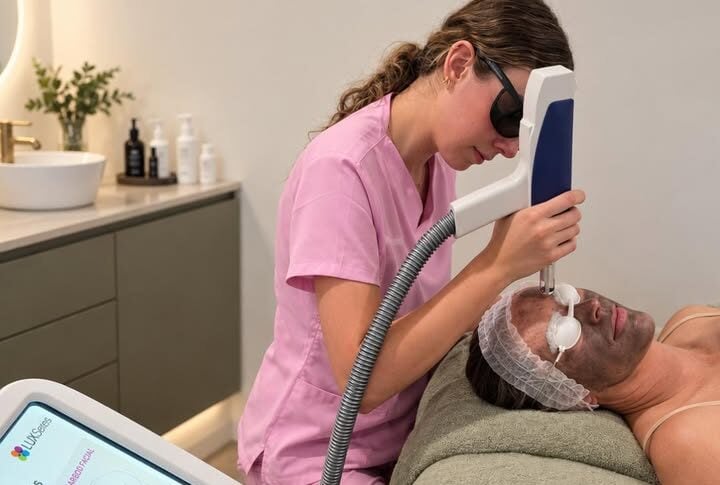
LED Light Therapy is often used as a foundational treatment. It supports skin healing, reduces inflammation, and helps create a more stable environment for the skin to function properly. This aligns with how LED is used clinically to support cellular repair and reduce inflammatory pathways.

Skin Health Facials are tailored to support the barrier and encourage healthy turnover without overstimulating the skin. This approach reflects corneotherapy principles, where maintaining barrier integrity is key to improving skin function long term.

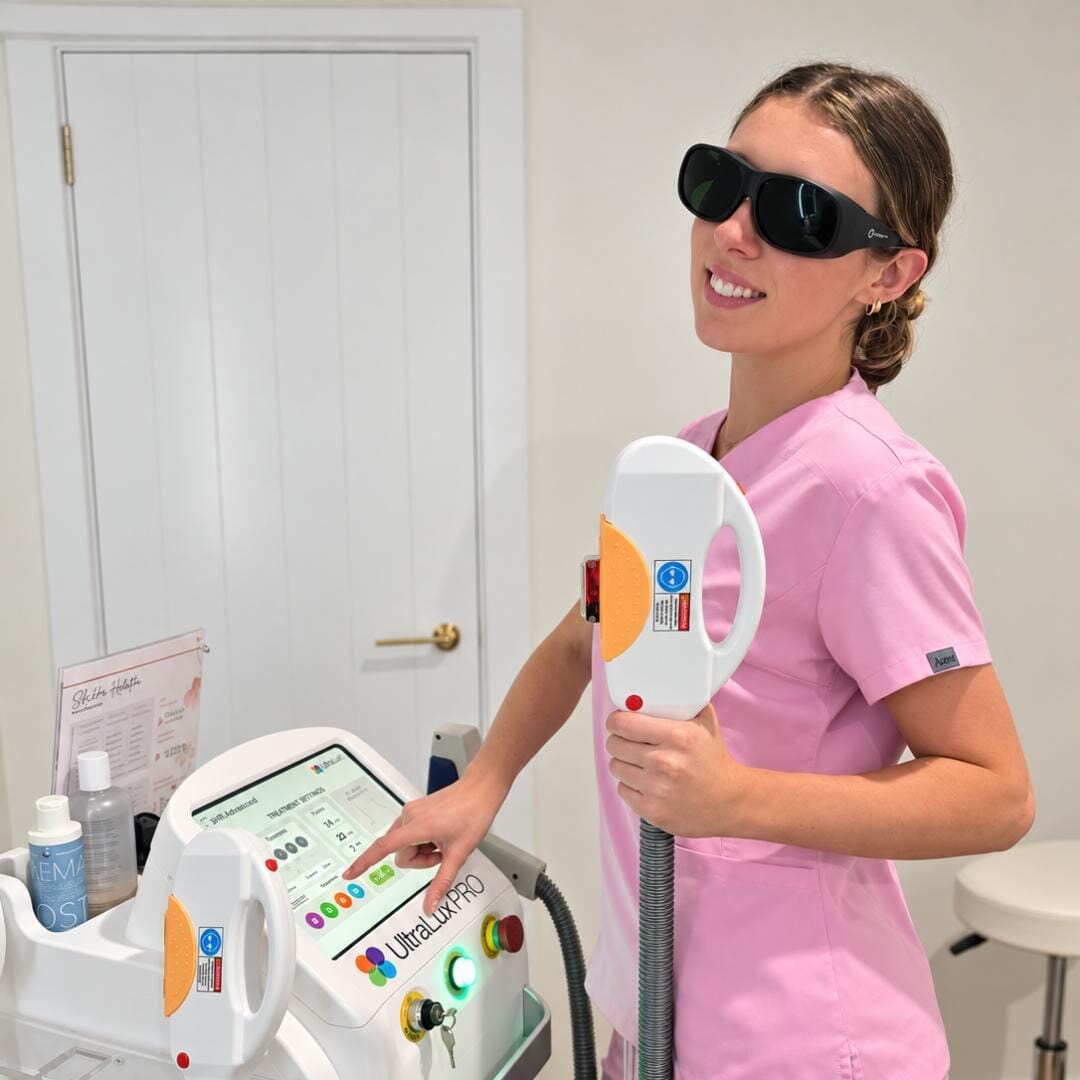
Radio Frequency (RF) treatments support overall skin function by improving circulation and cellular activity. While they do not directly target pigment, they contribute to a more even and resilient skin over time.

IPL Photo Rejuvenation can be introduced when the skin is stable enough for more targeted correction. It works by addressing visible pigment within the skin and is particularly effective for sun-induced pigmentation when used appropriately.

The role of Homecare during Autumn and Winter

At home skincare becomes particularly important during this time of year, as the skin is more receptive to consistent, supportive ingredients.

The Prologic Skin Intelligence range is designed to work across multiple stages of pigmentation. Ingredients such as Vitamin A, Vitamin C, Niacinamide, and Licorice Extract are well recognised in cosmetic chemistry for their role in supporting brighter, more even skin tone and regulating melanogenesis.

Dermaviduals focuses on barrier repair, supporting the corneotherapy principle that a stable skin barrier reduces inflammation and improves overall skin behaviour.

Osmosis provides a more restorative approach, supporting skin repair without increasing inflammation, which can be particularly beneficial for more reactive skin types.

At-home LED, such as the IllumiaSkin LED Face Masks, can be used to maintain results between treatments and help keep the skin calm and supported.

Where to start with treating Pigmentation

Autumn provides an opportunity to approach pigmentation in a more structured and effective way. With reduced environmental triggers, the skin is better able to respond to treatment and maintain results over time.

If you are unsure where your pigmentation sits or how best to approach it, this is something I can assess during your appointment. From there, we can build a plan that supports your skin properly, rather than working against it.

👉 Book a consultation to talk through the best option for your skin

~ Jemma

Light Up Your Skincare Routine: How LED Therapy Can Transform Your Skin

LED Red Light at home Face Masks

Light Up Your Skincare Routine

How LED Light Therapy Supports Healthier, Happier Skin

LED Light Therapy has long been a favourite in clinic here at Skin Health Studio — because it works. It’s gentle on the skin, suitable for almost everyone, and supports deep healing and skin resilience from within.

Now, with professional-quality at-home devices like the IllumiaSkin Pro LED Mask, it’s easier than ever to add this skin-supporting ritual into your regular routine.

If you’ve been curious about what LED Light Therapy actually does, or how to use it at home safely, here’s a simple guide to help.

What is LED Light Therapy?

LED (Light Emitting Diode) therapy uses specific wavelengths of light to trigger natural healing responses within the skin. Each wavelength penetrates to a different depth and stimulates different processes — from calming inflammation to encouraging collagen production and helping clear breakouts. Surprisingly enough, it was NASA who first encountered the healing effects of red LED light while trying to grow potatoes in space! This groundbreaking discovery led to the exploration of the potential of LED light for medical purposes. Eventually, this technology made its way into the medical field and became a significant innovation in beauty treatments for the cosmetic industry. 

At Skin Health Studio, we often recommend LED Light Therapy alongside other skin treatments — but it can also be a wonderful way to maintain skin health between appointments, or to simply give your skin some extra support at home. It’s non-invasive, pain-free, and supports the skin without causing trauma or damage.

Red + Near-Infrared Light: Collagen Boosting, Deep Healing & Inflammation Support

Red and Near-Infrared light work beautifully together to support both surface and deep skin health. Red light helps stimulate collagen and elastin production, improving firmness, elasticity, and texture over time. It also enhances circulation, bringing oxygen and nutrients to the skin for a brighter, more radiant complexion.

Near-Infrared light penetrates even deeper, supporting the skin’s natural healing response and reducing inflammation in the lower layers of tissue. This makes it especially helpful for calming stressed or reactive skin — whether you’re dealing with rosacea, post-treatment sensitivity, or a weakened skin barrier. Together, Red and Near-Infrared light not only help the skin look better on the surface, but also strengthen it from within, promoting resilience and long-term skin health.

LED Red Light at home Face Masks

Purple Light: Healing & Balancing

Purple light combines the benefits of Red and Blue wavelengths, making it a beautifully balanced option for skin that needs both healing and clearing. It helps reduce acne-causing bacteria while simultaneously promoting collagen production and supporting skin regeneration.

Purple light is ideal for anyone dealing with post-acne healing, skin prone to breakouts with lingering sensitivity, or anyone wanting to maintain healthy, balanced skin while calming inflammation. It’s a versatile option that works across many different skin needs.

LED Red Light at home Face Masks

Why Home LED Can Be a Useful Addition

One of the reasons we like LED so much is that it works gently with the skin — supporting barrier function and overall skin health without creating stress.

At-home use allows you to build consistency, which is where LED really shines. Using your device 2–4 times per week can help maintain results between professional treatments and keep your skin on a steady path of improvement.

Of course, like all good things in skincare, results take time and regular use.

Choosing a Safe, Effective Device

Not all LED devices are created equal. The IllumiaSkin Pro LED Mask uses clinically-proven wavelengths (the same ones we trust in clinic) and delivers them evenly with 270 LEDs.

It’s also TGA and FDA approved, which gives peace of mind around safety and quality.

Three pre-set 10-minute treatment modes make it very simple to use — even if you’re busy.

How to Use It

  • Start with clean, dry skin.
  • Choose the light setting that suits your skin’s current needs.
  • Relax and wear the mask for 10 minutes (great for pairing with a little quiet time!).
  • Follow with your regular skincare routine.

Consistency matters more than anything — regular sessions will yield the best results.

LED Light Therapy is one of the gentlest, most supportive ways to care for your skin at home.

Whether you’re working on calming breakouts, building skin strength, or simply wanting to support a brighter, healthier complexion, incorporating LED a few times a week can be a valuable part of your routine.

If you’d like to know more about the IllumiaSkin Pro LED Mask, or whether LED is right for your skin, feel free to ask next time you’re in clinic — or just drop me a message.

As always, I’m happy to chat about what will genuinely support your skin best.

Lemon water and the importance for good skin health

Lemon water is nature’s best skin secret, they are one of the most amazing ‘skin super foods’ for many reasons. If you are wanting to improve the glow and health to your skin, lemon water is the cheapest and easiest way to get you started.

Have we got your attention yet?

Not only does lemon water help with overall health and wellbeing, it improves the health of your skin.

It’s time to start your day with a fresh lemon water

Here’s why:

Lemons help to eliminate toxins from the liver, helping to keep your skin clearer and smoother.

They also help to increase digestive enzymes in your gut to absorb and digest food properly, ensuring you receive all the goodness from your food.

Lemons are also very high in Vitamin C and we all know that’s a vital antioxidant! We need it for our collagen production and anti-wrinkle fibre.

And that’s not all!

Lemons are a great source of phosphorus (required for a healthy nervous system, brain repair and memory) and sodium, helping to eliminate wastes and prevent hardened arteries and arthritis.

So as you can see, the health benefits are for your entire wellbeing, but also your skin. To get started, get going everyday with the juice of half a lemon in a cup of warm water to get yourself on the road to beautiful skin. You might find it a bit tart at first, in which case start with just a couple of squeezes and build up to half lemon a day.

Get started and on the road to beautiful skin!