Perioral dermatitis: Why your skin might be reacting

Perioral dermatitis: Why your skin might be reacting

LED Red Light at home Face Masks

Perioral dermatitis can be incredibly frustrating, mostly because it often doesn’t behave the way people expect it to.

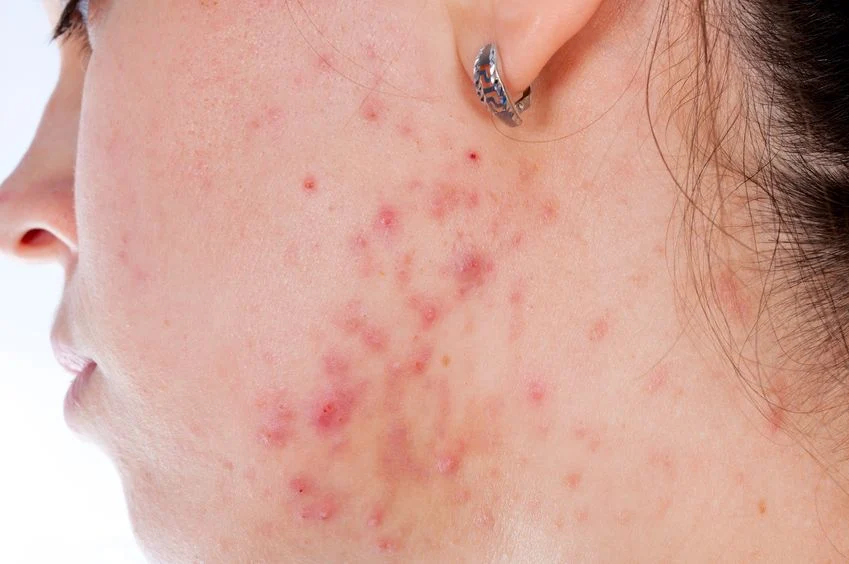
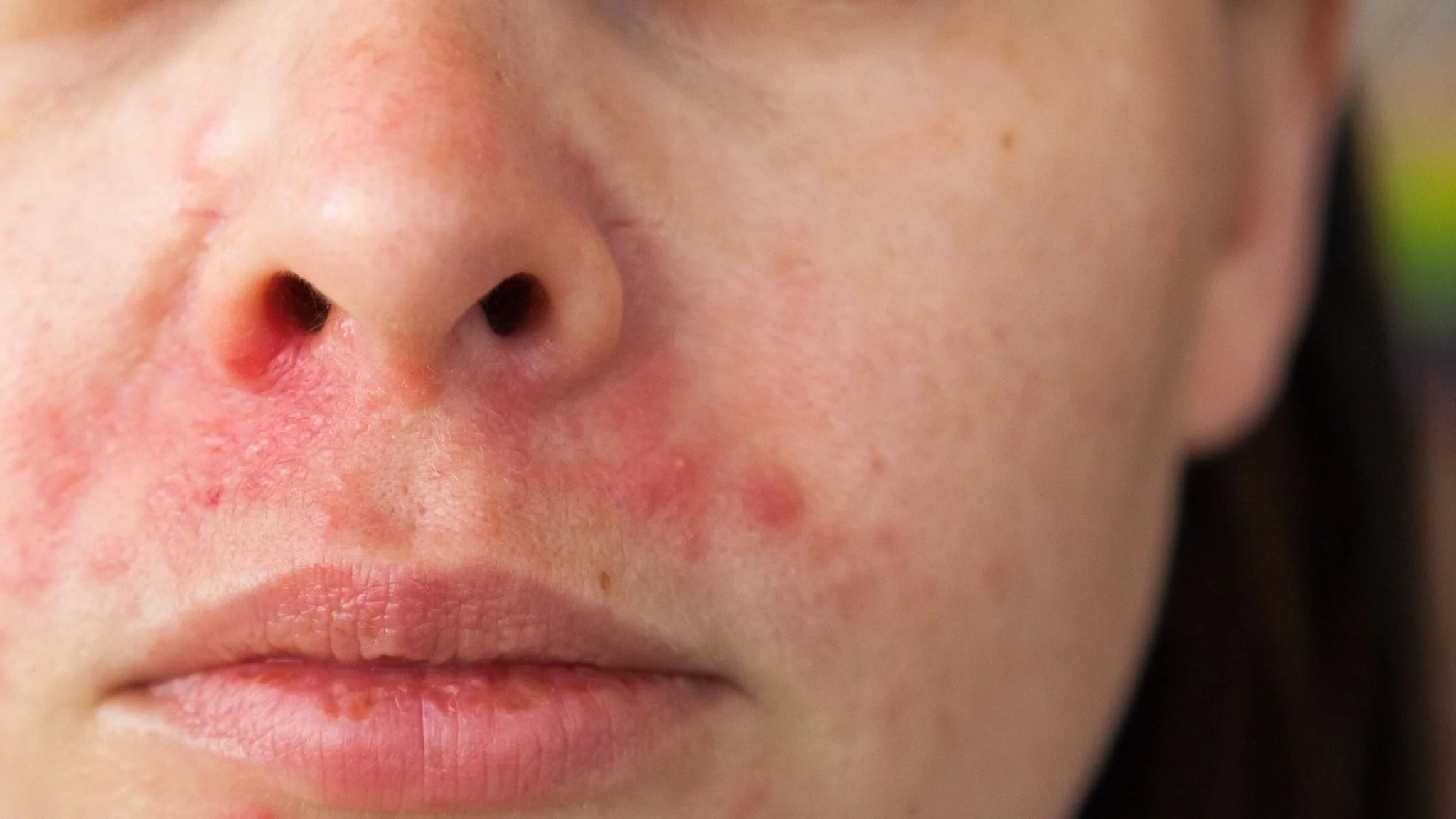
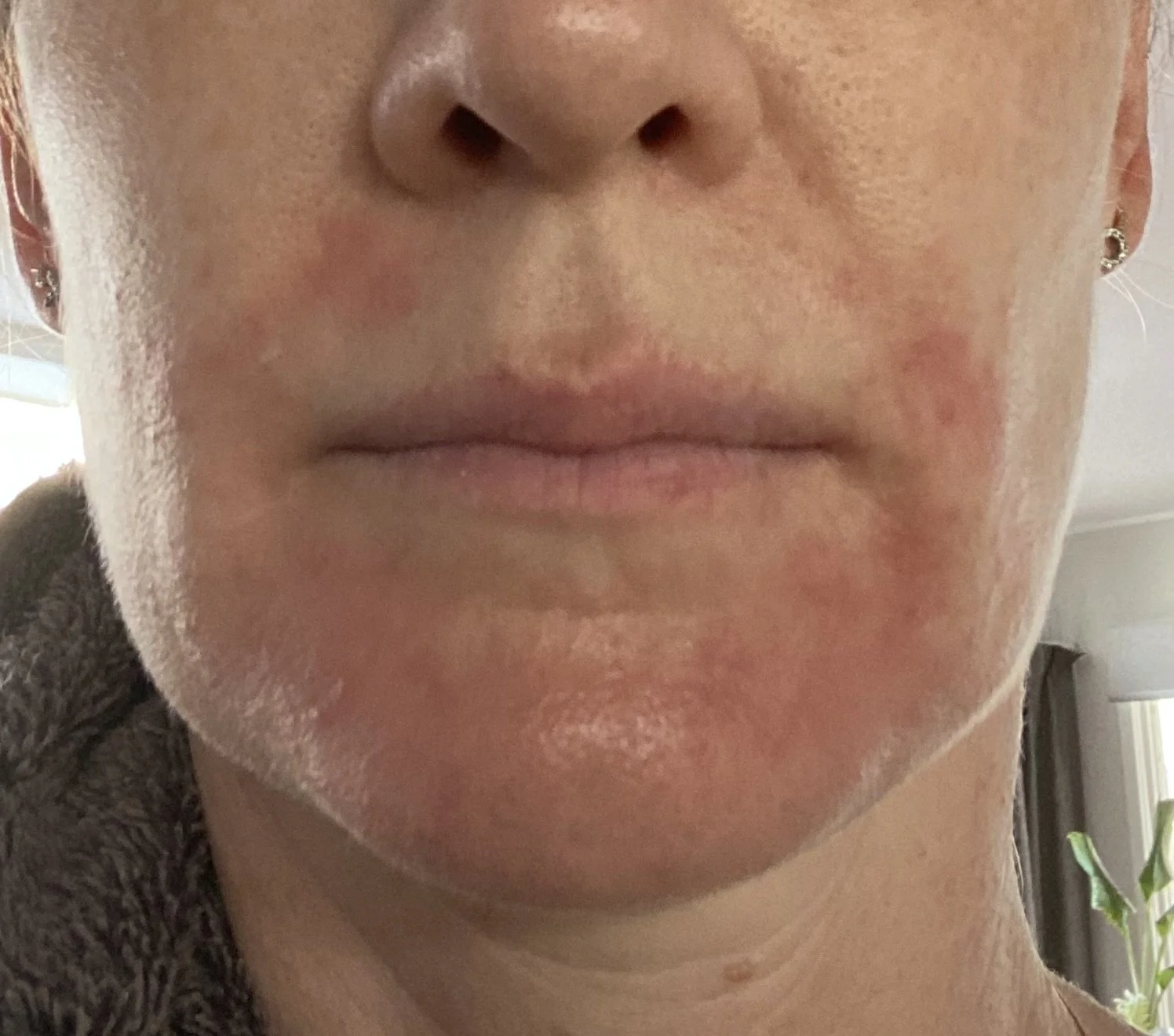
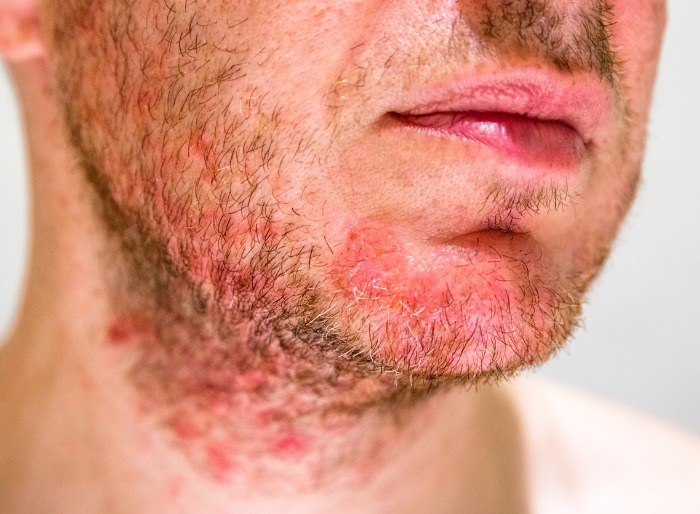
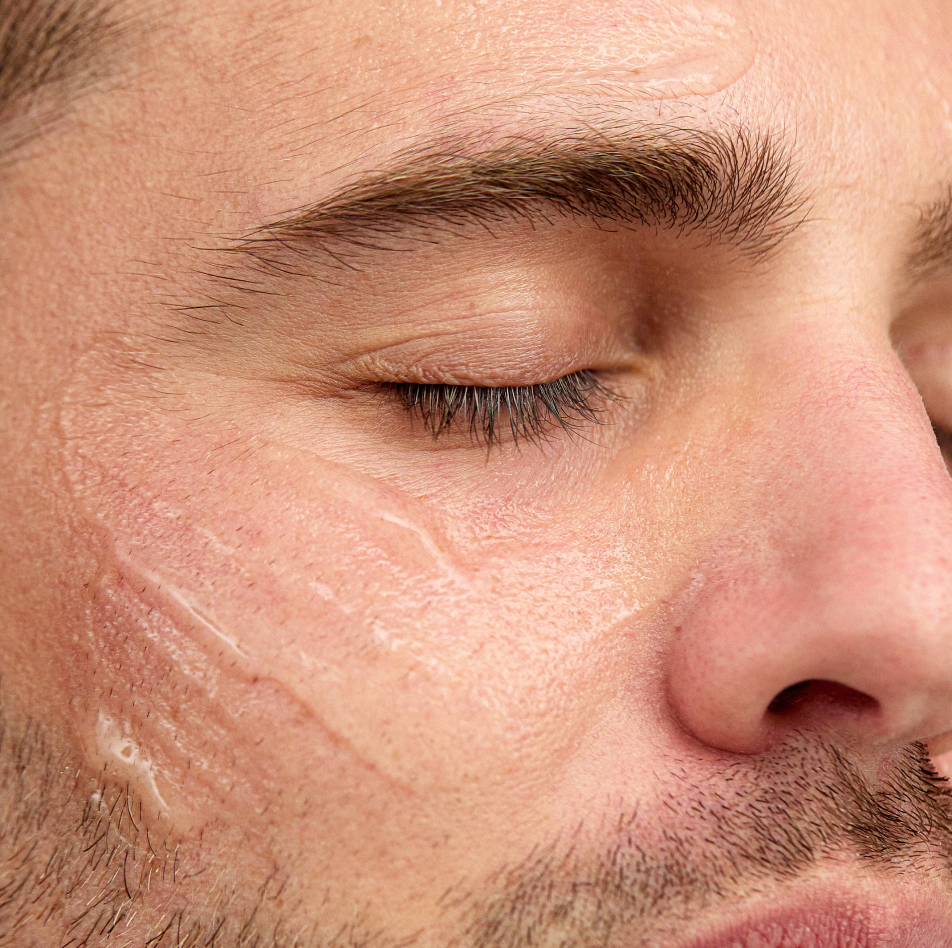
It can show up as small red bumps, dryness, flaking, irritation, burning or sensitivity around the mouth. For some people, it can also appear around the nose or eyes.

At the beginning, it’s easy to think it’s acne, rosacea, or sensitive skin having a moment. The skin can look bumpy, but it may also feel dry, tight, irritated or stingy. So when you try to treat it like a normal breakout, it often can flare even more.

What is perioral dermatitis?

Perioral dermatitis is an inflammatory skin condition that usually affects the area around the mouth. It can also show up around the nose and eyes, which is why you may hear it called periorificial dermatitis.

It often appears as small red or pink bumps, sometimes with dryness, flaking or a burning feeling. It can come and go, and once the skin barrier is unsettled, it can be quite stubborn.

It can also look a little like other skin conditions, which disguises it a bit. The bumps can make it look like acne. The redness can make it look like rosacea. The burning, stinging and product sensitivity can make it feel like your skin has suddenly become sensitive to everything.

Why perioral dermatitis can flare

With perioral dermatitis, there isn’t always one clear cause. Your skin barrier, current products, active ingredients, stress, hormones, gut health, oral care products and steroid use can all be part of the picture.

Flares can also line up with hormonal shifts, stress, illness, poor sleep or times when the body feels generally run down. That context matters, because inflamed skin usually has more going on than the product you happened to use yesterday.

Too many actives or harsh treatments

When the skin starts to flare, it’s very tempting to do more to get it under control quickly. With perioral dermatitis, the skin often needs the opposite. Strong actives, over-exfoliation and harsh treatments can disrupt the skin barrier. Once the barrier is impaired, the skin is more likely to feel dry, stingy, irritated and reactive.

At that point, I’d usually be thinking about what we can take away for a while, rather than what else we can add in.

Steroid creams and inhalers

Steroid creams can be linked with perioral dermatitis, especially when they are used on the face. Some people notice the skin improves while they are using them, then flares again when they stop. Inhaled steroids can also be relevant for some people, especially if the product comes into contact with the skin around the mouth.

If you are using a prescription steroid cream or inhaler, please don’t stop or change it without speaking to your GP or dermatologist. From my side, it’s still helpful to know about it during consultation, because it can explain why the skin is behaving the way it is.

Toothpaste, cosmetics and skincare ingredients

Toothpaste and oral care products can irritate the skin around the mouth for some people. Cosmetics, heavy moisturisers, fragranced products, sunscreens or products that sit too heavily on the skin can also contribute.

Sometimes the thing keeping the skin irritated is not an obvious active serum. It might be a toothpaste, a lip product, a thick cream, or a product that was fine for years until the skin barrier became more reactive for other reasons.

Stress, hormones and gut health

Because perioral dermatitis is inflammatory, I also like to look at what is happening internally. Stress, hormonal changes, nervous system stress and gut imbalance can all influence inflammation in the body. For some people, that can make the skin more reactive and harder to settle.

That doesn’t mean the gut is always the cause, or that stress is the only reason the skin is flaring. But when the skin is inflamed and reactive, it makes sense to look at what the body has been dealing with too.

Why calming the skin comes first

When perioral dermatitis is active, the skin usually needs to be treated very gently.

That can be hard, because most people want to fix it quickly and I completely understand that. It’s hard not to feel self-conscious and frustrated.

The first step is often to calm things down. That may mean simplifying your routine, removing possible irritants, pausing strong actives, supporting the barrier and giving the skin a chance to settle.

I’m much more interested in getting the skin comfortable again than trying to dry it into behaving. Once the skin is calmer, we can make better decisions about what it needs next.

How we support reactive skin at Skin Health Studio

When someone comes in with skin like this, I want to look at what has been happening around the flare with a full skin consultation. That means looking at your skin, your current products, your skin history, your stress, your hormones, your digestion, your lifestyle, and any possible triggers that may be keeping the skin irritated.

Barrier repair is a big part of this. When the barrier is impaired, the skin is more likely to sting, burn, react and flare. Supporting the barrier can help the skin feel more comfortable and more settled over time.

For some clients, we may also look at internal support, gut health, gentle professional treatments, LED Light Therapy, or changes to homecare such as using Prologic’s Bio Balance IQ serum.

No two skins need quite the same plan.

Where to start with finding the right skincare?

If your skin feels red, bumpy, dry, burning, flaky or reactive around the mouth, book a Skin Consultation so we can go through what has been happening. We can look at your current routine, your skin history, your possible triggers, and what support your skin may need first.

If your skin is painful, worsening quickly, infected, affecting your eyes, or connected to steroid medication, it is also important to speak with your GP or dermatologist.

If you are not local to Dunedin, you can also start with an Online Consultation Form, and I can guide you from there.

👉 Book a consultation to talk through the best option for your skin

~ Jemma

Why true skin transformation starts within

Why true skin transformation starts within

Wellness and skin health at Skin Health Studio

LED Red Light at home Face Masks

At Skin Health Studio, we believe beautiful skin is more than what you apply topically: It is a reflection of your internal health, lifestyle, stress levels, nutrition, and overall wellbeing.

In today’s busy world, many people experience inflammation, hormonal imbalance, gut dysfunction, stress, poor sleep, and nutritional depletion… all of which can appear on the skin as acne, rosacea, pigmentation, sensitivity, premature ageing, and dullness.

While many skincare products focus only on treating the surface, true long-term skin health comes from supporting the body as a whole.

A holistic approach to skin health

Many people come to skin through products first. They try stronger actives, more exfoliation, or treatments that promise quick visible change.

Sometimes that gives the skin a short-term boost. But if the barrier is struggling, inflammation is high, or the body is under stress, the skin can end up feeling even more unsettled.

For me, the focus in our clinic is always on skin that becomes stronger, calmer and more resilient over time. That means supporting the skin barrier, reducing inflammation, encouraging repair, and looking at the internal factors that may be keeping the skin reactive.

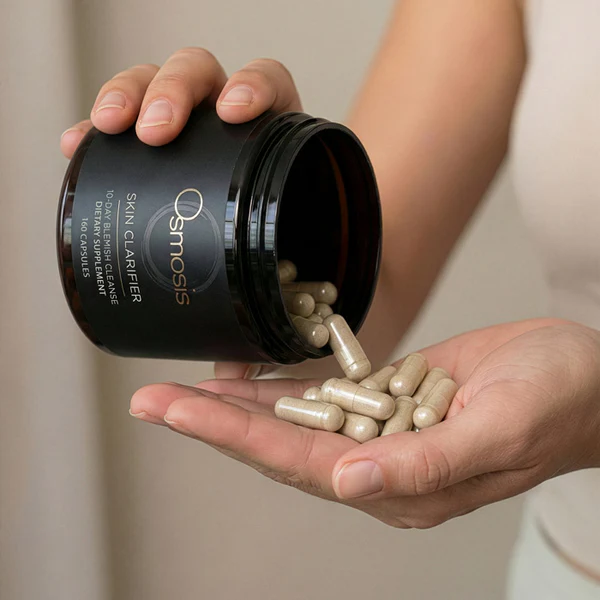
Why I love Osmosis

What I like about Osmosis is that it suits this way of thinking. Osmosis supports repair, restoration, cellular communication and the internal factors that can influence skin health. It does this without constantly pushing the skin harder or relying on aggressive resurfacing.

Their philosophy is simple: Healthy skin is created by a healthy body.

For skin dealing with inflammation, sensitivity, pigmentation, premature ageing, acne, rosacea-prone flare-ups, or a barrier that has been overworked, this kind of support can make a real difference. 

The gut-skin connection

The gut is one of the biggest areas I look at when we are working on long-term skin health. When gut function is imbalanced or inflamed, the body can experience wider inflammation, poor detoxification, nutrient depletion and immune changes. For some people, that can show up through the skin.

What this can look like in the skin

This might look like acne, rosacea-prone redness, eczema-prone dryness, sensitivity, inflammation, dullness, impaired barrier function or skin that seems slow to repair.

Every skin concern is different, and the gut is only one part of the picture. But it can be an important part, especially when the skin is inflamed, reactive, or not responding the way we would expect.

Why internal support matters

When the body is under pressure, the skin often shows it before we realise how much is going on.

Supporting the gut and the body more broadly can help support skin clarity, hydration, inflammation, immune response, hormonal balance and overall vitality. This is why I ask so many questions during consultations.

Those details help me understand what your skin may need next.

Skin longevity over quick fixes

Skin longevity is something I focus on a lot in clinic, because there’s a big difference between a quick glow up and skin that is genuinely getting stronger. A quick glow can feel lovely, but long-term skin health is about function.

Stronger skin over time

Osmosis products are designed to support repair, collagen health, barrier restoration, cellular communication and healthy ageing. When we use them as part of a considered plan, they can support the skin without overwhelming it.

For some clients, we may also include Skin Health Facials, MediLUX LED Light Therapy, barrier repair, internal wellness support or changes to homecare, depending on what the skin needs.

The plan will always depend on the person.

Wellness is self-care

Taking care of your skin is also about taking care of yourself. Good nutrition, hydration, sleep, stress support, movement and nervous system care all matter. So does choosing skincare that supports your barrier and treatments that suit where your skin is at.

This doesn’t have to mean doing everything perfectly. It means understanding what your skin and body need, then building a plan that supports both. It is about balance, vitality, and supporting your body from within.

And when your skin starts to feel calmer and more predictable, it can make such a difference to your confidence as well.

Where to start with finding the right skincare?

If you would like guidance on a personalised wellness and skin journey, I would love to support you with tailored treatments, skincare, and wellness recommendations designed specifically for your skin goals.

During a Skin Consultation, we can look at your skin properly, talk through your current routine, your internal health, your lifestyle, your stress, your sleep, your skin history, and what we are actually trying to achieve.

From there, we can build a plan that supports your skin from the inside and the outside.

If you are not local to Dunedin, you can also start with an Online Consultation Form, and I can guide you from there.

👉 Book a consultation to talk through the best option for your skin

~ Jemma

Inner Wellness works for Your Skin

Inner Wellness works for Your Skin

I adore a beautiful facial, but let’s be honest, it’s one piece of the puzzle. If we want skin that’s calm, clear, and ageing well, we have to look at the whole person: what you put on your skin and what’s going on inside your body and day-to-day life.

Your skin is a reflection of you. Sleep, stress, food choices, gut and liver function, sunlight, movement, even your environment… they all show up on your face eventually. Instead of hunting for a “magic cream”, we can build steady habits that support your barrier and your body. That’s where the real change happens.

The pillars of ageing well

Clean, non-toxic skincare

Choose formulas that protect the microbiome and barrier, not strip it. Think skin-identical, barrier-loving ingredients, gentle actives, SPF daily. Your barrier is your best anti-ageing tool.

Movement & lymphatic love

Move your body every day: walks, stretching, work up a gentle sweat. Add a little face/neck lymphatic massage to help de-puff and support circulation. Little and daily is much better than worrying about perfect.

Eat for your gut

Colour, fibre, protein, healthy fats. A happier gut often shows up as calmer, bouncier skin. If certain foods trigger flares, note patterns and tweak gently.

Hydration (inside & out)

Water, mineral-rich fluids, and topical humectants and lipids to keep moisture in the skin. Simple, consistent.

Sleep & stress

A regular bedtime, phone-down buffer, tiny downshifts (breath work, a walk, setting personal boundaries). Your skin reads your nervous system.

Sunlight & the environment

Morning light, fresh air, and daily SPF. Seek shade when UV’s high. Small habits make a big difference long-term.

Lifestyle “no thanks”

Avoid smoking and vaping. tThey fast-track dullness and collagen breakdown.

Gut & liver support, imbalances

If digestion feels off, or you suspect microbial imbalances, work with a professional. I can help you keep your skincare gentle while you support things from the inside.

Where skincare fits in

Topicals do still matter – a lot. But the ones I choose must always work with your skin, preserve the epidermis, support the barrier, and deliver actives your skin actually recognises. That’s why my skin treatments are at set at different levels to match your skin, and I always take a holistic, barrier-first path. If your skin isn’t ready for it, we won’t do it.

Is Prologic Right for You?

If you’re tackling anti-ageing, pigmentation, rosacea, acne, psoriasis or eczema, treating skin inside and out gives the best, most lasting results. If you’re not sure, book a Skin Consult with me, and we’ll map a plan that fits your life and your skin’s long term goals. 

Let’s keep talking more. I’ll be sharing practical, do-able posts on skin and wellness over the next few weeks, stay tuned.

~ Jemma