A Weekend with Prologic

A Weekend with Prologic

LED Red Light at home Face Masks

I’ve come home from the 2026 Prologic Stockist Awards with not just one, but three awards, and I’m still taking it all in! I was named Therapist of the Year, Skin Health Studio won Clinic of the Year, and we received Icon Clinic recognition as Prologic’s top clinic in New Zealand.

I’ve shared a few photos from the weekend on Instagram, but there was a lot more to it than just the awards night. We spent time learning with the Prologic team, visited the place where the products are made and got to see another side of an amazing product range I love to use with clients here at Skin Health Studio.

Learning with the Prologic team

The Prologic Awards weekend was a chance to step away from the treatment room for a few days and spend time learning alongside other skin therapists. We talked about skin, ingredients and the thinking behind Prologic’s approach to long-term skin health.

If you’ve been to see me, you’ll know I care about what a product is doing for your skin, especially when your barrier is already struggling. That’s one of the reasons I enjoy learning from Rachel Robertson, the woman behind Prologic. Rachel is a skin therapist and cosmetic chemist, and she shares her knowledge so generously with the therapists who use the range. A huge thank you to Rachel and the Prologic team for the time and ongoing support they give us.

Seeing where Prologic is made

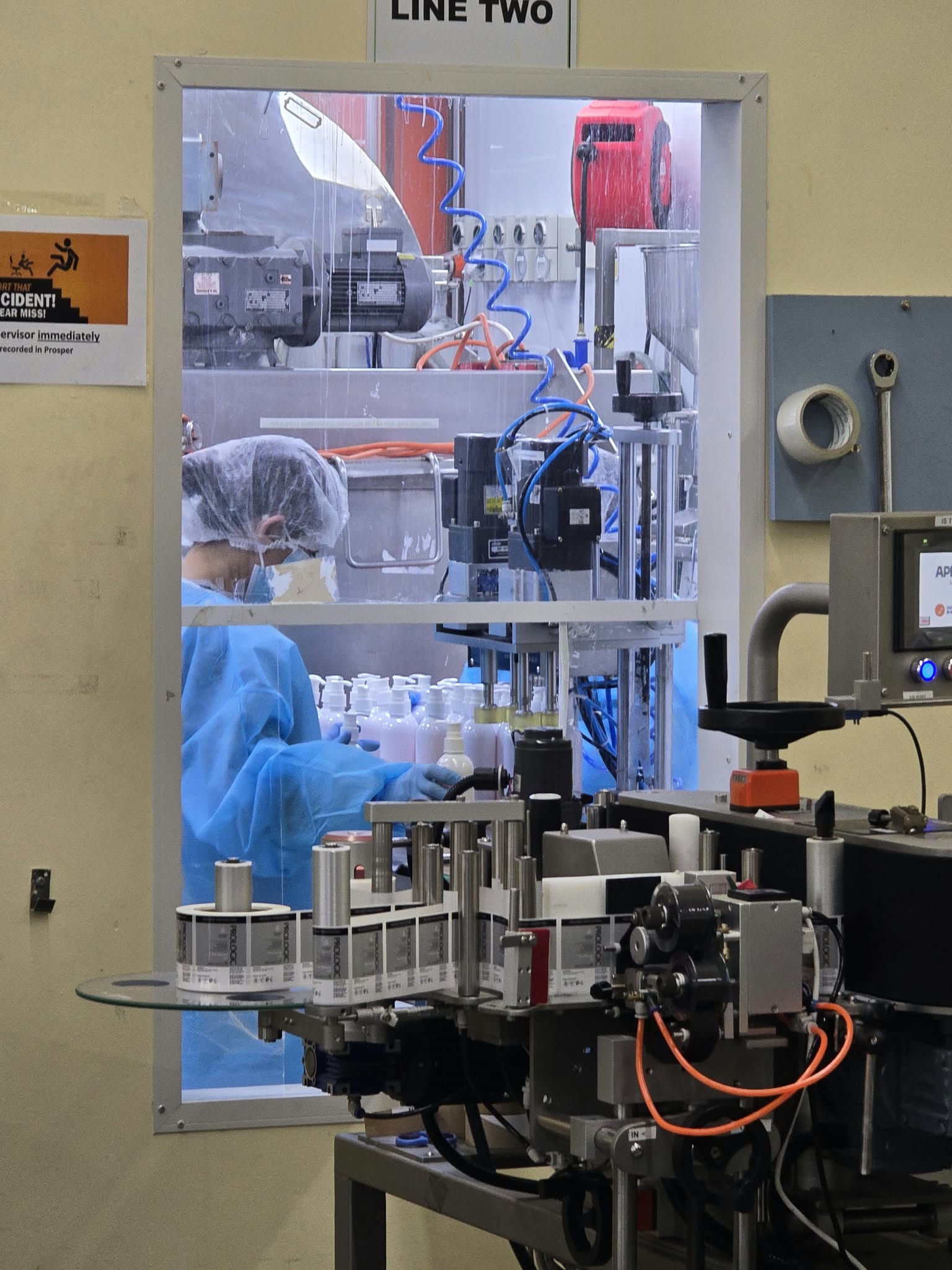
We also had a look around the New Zealand production facility. It was lovely to see the work behind the bottles we use in clinic and send home with clients.

Prologic is New Zealand made, owned and operated, which is something I’m proud to support. The range is built around corneotherapy, with a focus on caring for the outer layers of the skin and protecting the barrier. When that barrier isn’t functioning well, skin can feel dry, tight or reactive, and it may need a gentler approach than people expect.

I’ve talked quite a bit on the journal about choosing ingredients carefully and giving skin what it needs to function well. Seeing some of Prologic’s production in person, and having the chance to keep learning from the people behind it, made this part of the weekend especially interesting for me.

One, Two, Three awards to bring home!

Then came the Prologic Awards. I’m so proud to share that I was named Therapist of the Year, Skin Health Studio won Clinic of the Year, and we received Icon Clinic recognition as the top clinic in New Zealand.

I love the work I get to do, but I certainly wasn’t expecting to bring all three home to Dunedin. Skin Health Studio has been here for years, and many of you have trusted me with your skin through all sorts of changes. I’m so grateful that I get to do that work with you.

Thank you to everyone who books in, asks questions, follows my advice at home, recommends us to a friend or checks in to tell me how their skin is going. And thank you to Sophie, who’s now part of the clinic and looking after so many of you too.

I’m looking forward to bringing what I learnt back into our work at Skin Health Studio. For now, I might just enjoy looking at the awards for a little longer!

~ Jemma
Your skin shouldn’t feel tight after cleansing

Your skin shouldn’t feel tight after cleansing

LED Red Light at home Face Masks

It’s easy to give more thought to your serums and moisturiser than your cleanser. After all, you’re washing it off a minute later, and the serums and creams have all the good stuff, right?

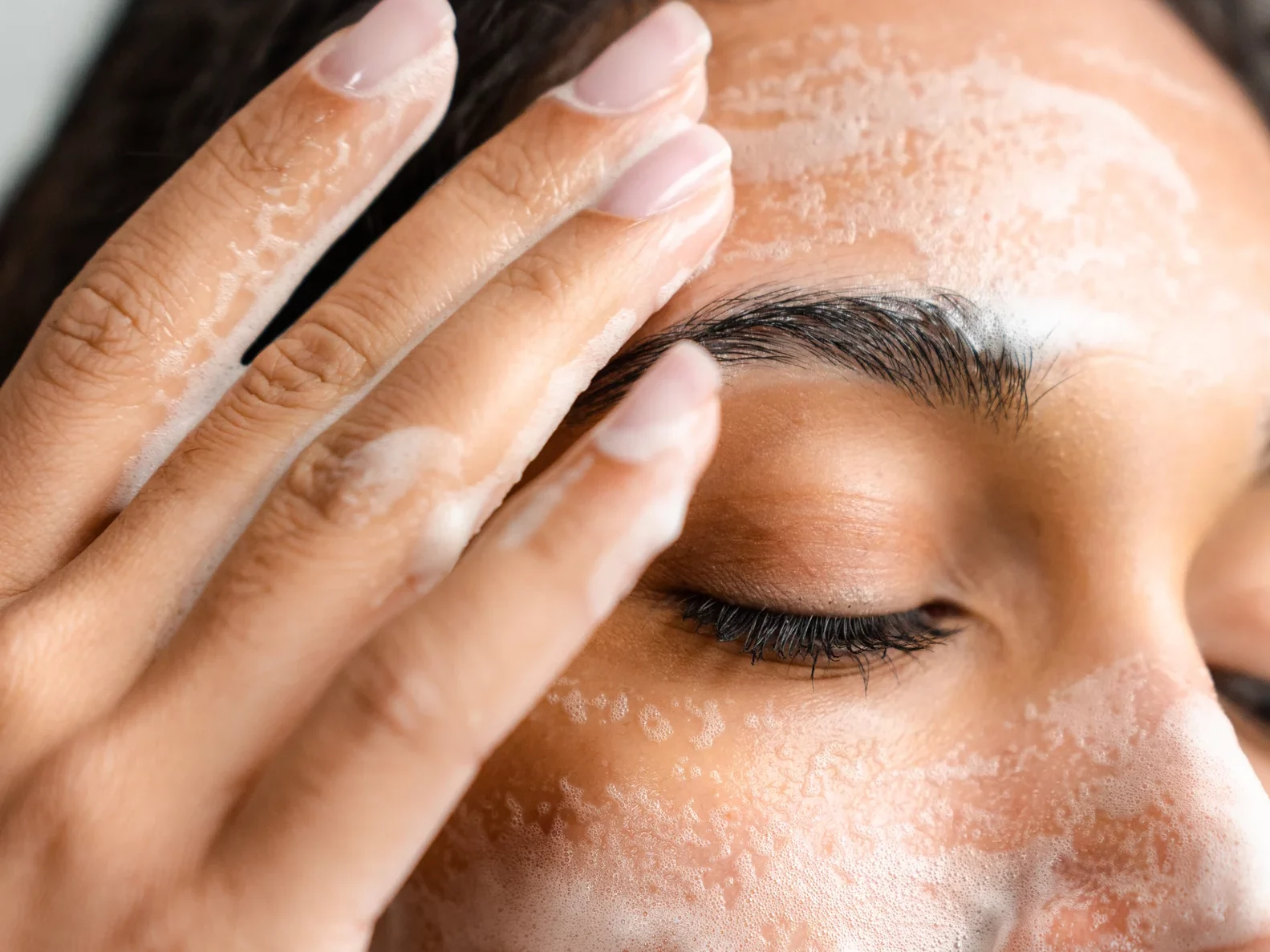
But the cleanser you use every day can make a huge difference to how your skin feels and how well its protective barrier functions. If your skin starts feeling really tight and making you want to reach straight for the moisturiser after washing, I think you need to read on.

Your skin’s natural protective layer

The surface of healthy skin is naturally slightly acidic. You may have heard this called the acid mantle. It helps support your skin’s protective barrier and the microorganisms that naturally live on its surface.

Your skin also relies on its natural oils to help hold moisture in. Cleansing needs to remove makeup, sunscreen and daily dirt while leaving enough of those protective oils in place. It should feel clean and comfortable, without that tight, stripped feeling. If it does, then the cleanser is over doing it.

When cleansing is too harsh

Some cleansers remove more oil than your skin can comfortably lose. Traditional alkaline soaps can also disturb the skin’s naturally acidic environment. You might notice flaking around your nose, rough patches or products starting to sting when they didn’t before. Over time, harsh cleansing may contribute to dryness and irritation.

Even oily skin needs gentle care. If you’re dealing with congestion and breakouts, it’s understandable to want a really thorough cleanse. But washing until your skin feels squeaky-clean can leave it feeling sore and dry as well.

The Prologic cleansers we recommend

There are a few options in the Prologic range that we can choose from, depending on what your skin needs.

Cream Cleanser: for dry, ageing and sensitive skin

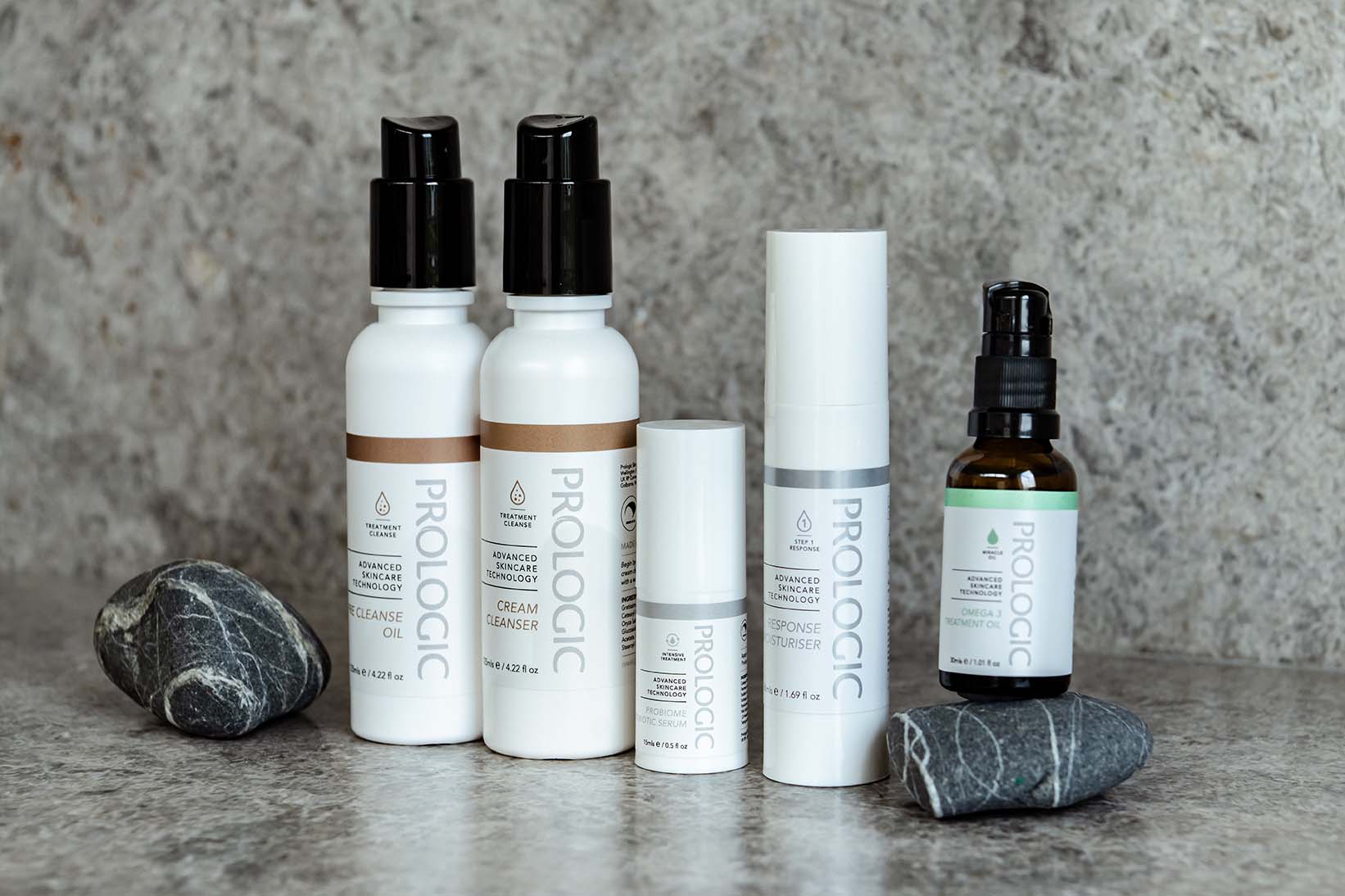
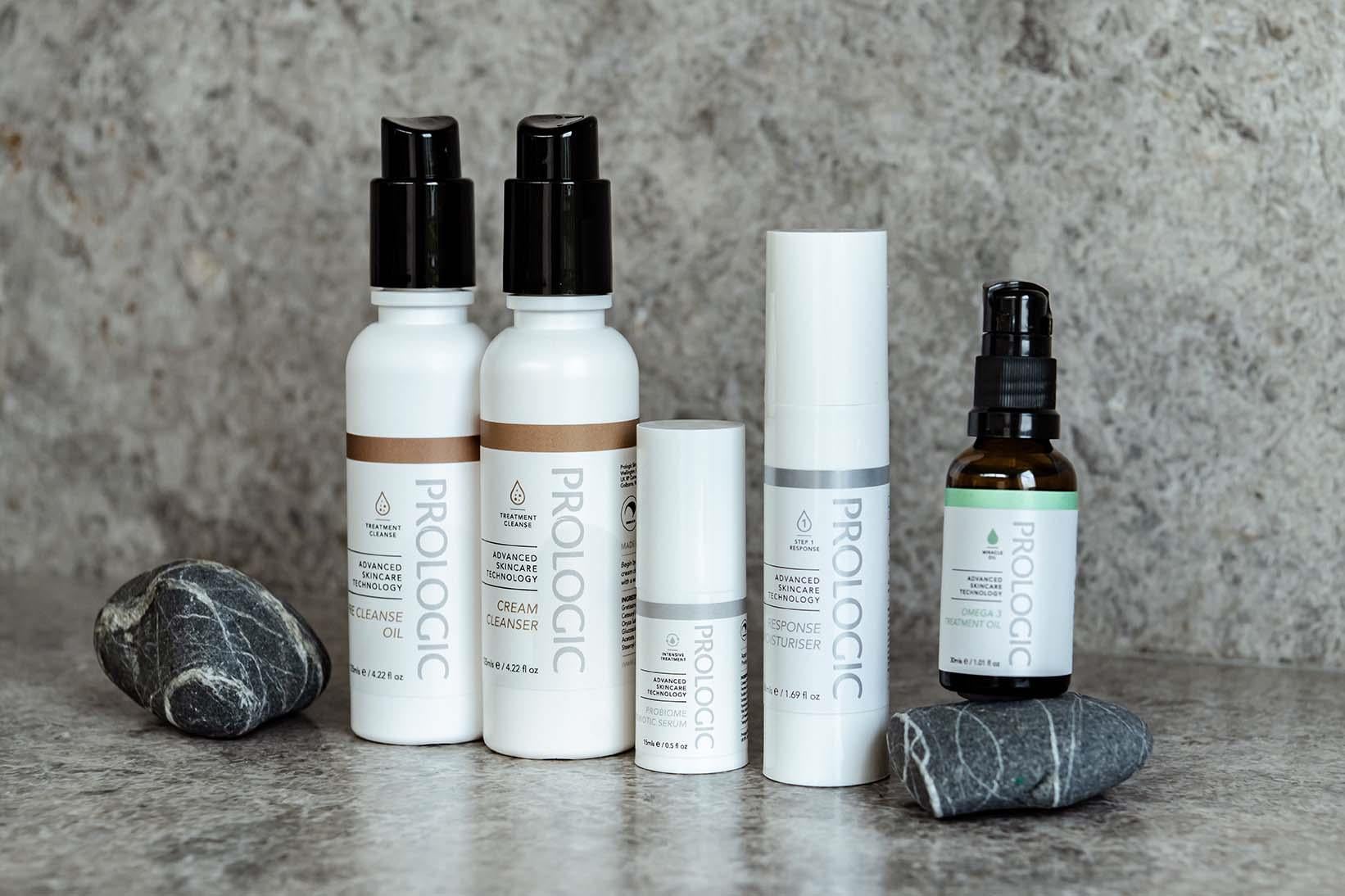
Prologic Cream Cleanser is one we often consider for skin that’s dry or needs a gentler cleanse. It contains lecithin, vitamin E, avocado oil and jojoba oil to support the skin barrier while cleansing. If your skin has become drier as you’ve got older, or often feels uncomfortable after washing, give this one a go.


Gel Cleanser: for acne-prone and congested skin

Prologic Gel Cleanser contains salicylic acid and is designed for skin prone to breakouts. We may recommend it when acne or congestion is a concern, taking into account how sensitive your skin is and what else you’re using.


Skin Intelligence Cleanser: for pigmentation concerns

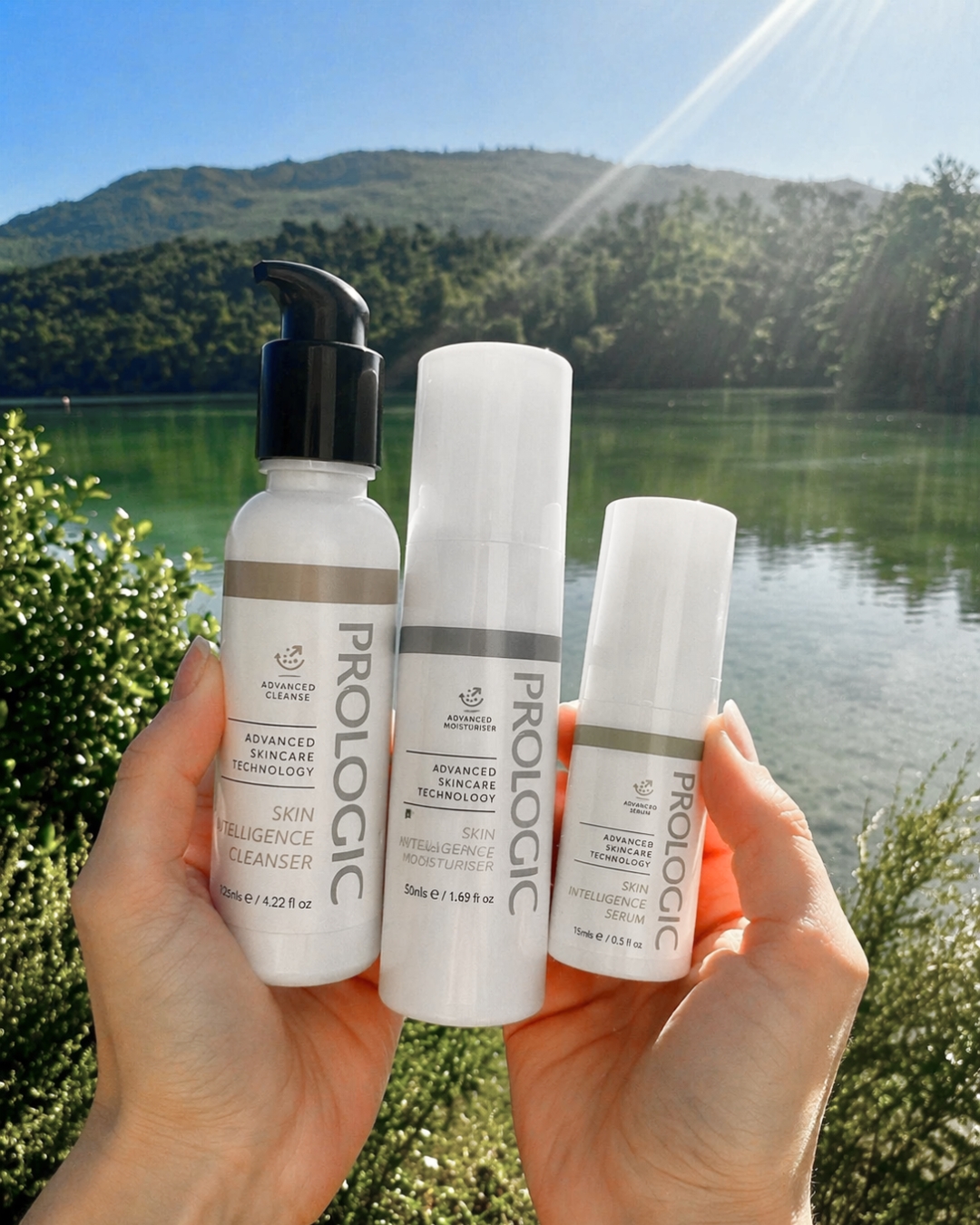
The Skin Intelligence Cleanser is part of Prologic’s specialised pigmentation range. It contains lactic acid, along with lecithin and linseed oil to support the skin barrier. I’d usually recommend this as part of your home care when we’re working on pigmentation and uneven skin tone.

Let’s have a look at what you’re using

If your skin feels tight after cleansing, is persistently dry or flaky, or feels congested and dehydrated at the same time, mention it at your next appointment.

Bring your cleanser along, or take a photo of the label. I’d be happy to look at it with you and explain what I’d recommend for your skin.

👉 Book a skin consultation with Jemma

~ Jemma

What to eat when you’re dealing with acne

Your skin shouldn’t feel tight after cleansing

LED Red Light at home Face Masks

When someone comes in with acne, I always like to ask about food and diet. While I don’t think it’s helpful to start with a long list of foods to avoid, I do want to know what they’re eating most days, whether their meals are keeping them full, and if they’ve noticed the same food affecting their skin more than once. That gives us much more to work with than trying to blame the last thing they ate.

Start with your usual meals

If you’re busy, it’s easy to get through the morning on coffee, pick up something sweet in the afternoon and only have a proper meal at night. Before worrying about individual ingredients, I’d look at where we can make those everyday meals more substantial.

Try including some protein, vegetables, a carbohydrate with fibre and a little healthy fat. For example:

  • Eggs on toast with avocado and tomato
  • Salmon with kūmara and cooked greens
  • A chicken, rice and vegetable bowl with olive oil
  • Oats with berries, seeds and yoghurt, if yoghurt agrees with you

There’s plenty of room to change those around. Eggs, fish, chicken, tofu and legumes can all provide protein. Vegetables can be fresh or frozen, and cooked vegetables may be easier to eat if raw ones leave you bloated. Oats, wholegrains, kūmara and legumes are ways to add fibre, while olive oil, avocado, nuts and seeds add healthy fats.

Water is a good main drink. If you regularly have soft drinks, energy drinks or sweetened iced drinks, try easing back on those, and enjoying a glass of water instead.

Do sugar and refined foods affect acne?

Research suggests that diets high in foods that raise blood sugar can quickly make acne worse for some people. That doesn’t mean you can trace a breakout back to one biscuit! I’m more meaning like how often sugary drinks, sweets, pastries or refined snack foods are taking the place of meals.

Having lunch with some protein and fibre will problably make the afternoon a lot easier easier than trying to rely on willpower when you’re hungry at three o’clock.

What about dairy?

Cow’s milk has been linked with acne in some studies, though that doesn’t mean milk is a trigger for everyone. You don’t have to remove all dairy just because you have breakouts, but if you’ve noticed a pattern, we can talk about it. I’d also want to know if you’ve recently started a whey protein shake, as some people notice changes in their skin after adding one.

What about if your digestion is playing up too?

A specific food can be considered nutritious and still leave you feeling uncomfortable. If large salads or servings of beans make you bloated, try cooked vegetables, smaller portions or a different source of fibre instead.

NOTE: Persistent stomach symptoms are something to discuss with your GP, particularly if you’re concerned about H. pylori.

Do you need to follow a Candida diet?

You’ll find plenty of ‘Candida cleanse’ food lists online. They often remove fruit, grains and other foods without first establishing whether a Candida infection is present. If that’s what you’re worried about, the real next step is getting it assessed so you know what needs treating.

Let’s have a chat

At your next appointment, let me know what a normal day of eating looks like and whether you’ve noticed anything changing with your skin or digestion.

It doesn’t need to be a perfect food diary, but we’ll put that information alongside your skin care, treatments and health history, and we can make changes based on what you’re actually experiencing.

👉 Book a skin consultation with Jemma

~ Jemma

What does a carbon facial do to your face?

Carbon Laser Facials: What they do and what to expect

LED Red Light at home Face Masks

A Carbon Laser Facial is one of the treatments you can book with Sophie here at Skin Health Studio. If you’ve come across the name and wondered what the carbon actually does, I’d love to explain a little more about it.

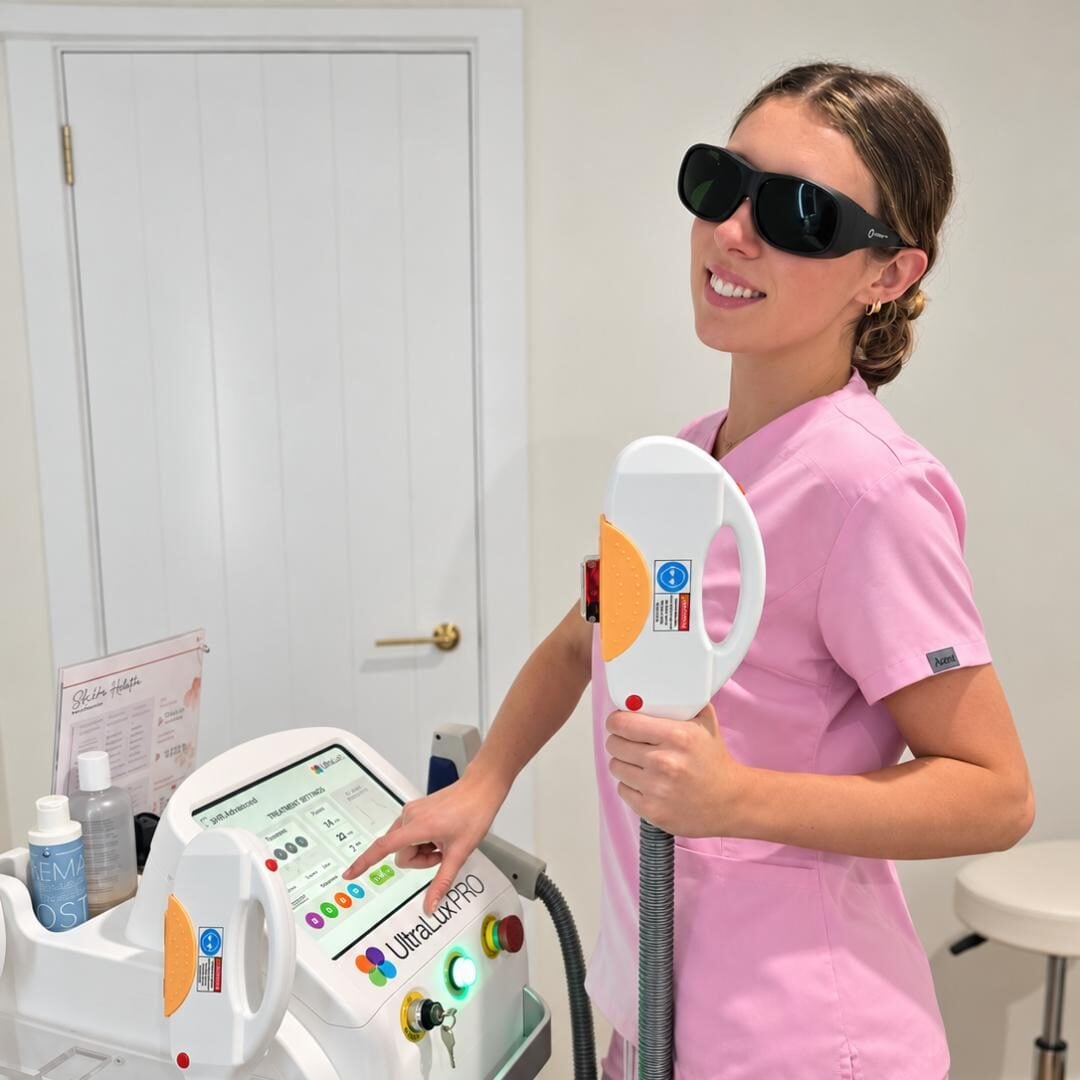
We use the UltraLUX system, with treatment options for the face, face and neck, and the back. This spring, Sophie is offering 20% off courses of four Carbon treatments, so I thought it was a good time to talk through what’s involved.

What is a Carbon Laser Facial?

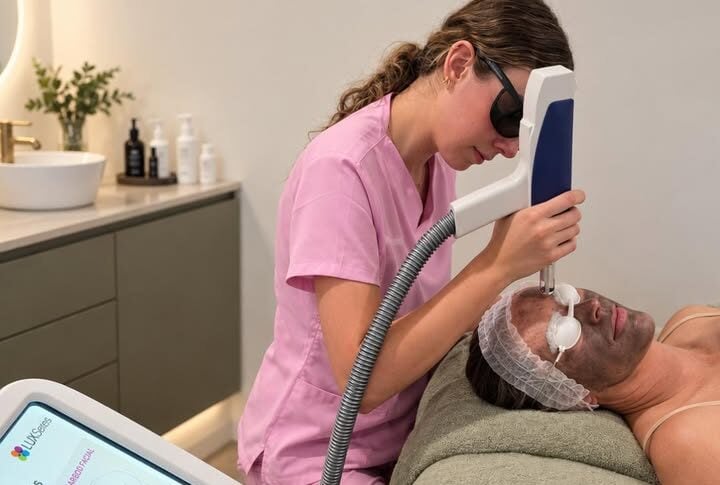
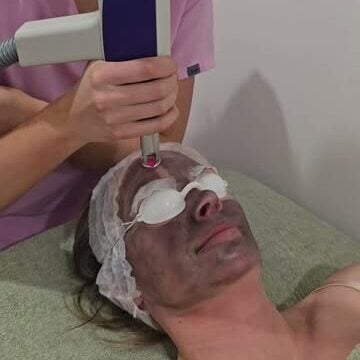
A Carbon Laser Facial uses a fine layer of carbon lotion and laser energy to exfoliate the skin and help improve the appearance of pores and uneven texture.

The carbon acts as a target for the laser. Once it’s been applied and allowed to settle, the laser passes over the treatment area. The carbon absorbs the energy and breaks apart, creating an exfoliating effect that helps remove surface build-up.

Although you might also hear it called a carbon peel or Hollywood peel, this treatment doesn’t use an exfoliating acid. The exfoliating action comes from the carbon and laser working together.

What can a Carbon Facial help with?

Carbon Facials can help improve the appearance of visible pores and rough or uneven texture, particularly in skin that’s prone to oiliness or congestion. Some people notice their skin feels smoother and looks fresher afterwards, while ongoing concerns may need a course of treatments.

Sophie can talk through what you can reasonably expect based on your skin and what you’d like to improve.

Can you have Carbon treatment on your back?

Yes, Carbon treatments can be used on the back too. We use the same carbon lotion and laser process as we do on the face, treating the full back in a 45-minute appointment.

This can be helpful for skin that feels rough or congested, especially if you’re prone to oiliness and blocked pores across your back. It’s an area that’s difficult to reach with your usual skincare, so having someone assess and treat it properly can be useful.

What happens during the appointment?

Sophie will assess your skin before treatment. This is also a good time to mention any sensitivity and let her know what skincare you’re using at home. 

Your skin is then cleansed before the carbon lotion is applied. Once it has settled, the laser is passed over the treatment area, with protective eyewear in place.

You may hear a popping sound as the laser interacts with the carbon. On the skin, it can feel warm or a little like a light snap. Most people find it manageable, and you can let Sophie know how it feels throughout the appointment.

Is there downtime after a Carbon Facial?

There’s generally little downtime, although your skin may look slightly red or feel warm afterwards.

Keep your skincare gentle and follow Sophie’s advice about when to return to exfoliating products or other active ingredients. You don’t need to add extra exfoliation at home to help the treatment along.

She’ll also explain what to avoid afterwards, including heat and strong sun exposure. As we move into spring and summer, remember to protect the whole area you’ve had treated, including your neck or back.

How many Carbon Facial treatments will I need?

Some people book a single Carbon Facial, while others have a course for ongoing concerns. Sophie’s spring packages include four treatments, with the opportunity to check how your skin responds between appointments. She’ll advise on treatment spacing and whether further sessions would be useful for your skin.

Book with Sophie this spring

Until the end of October, save 20% off any prepaid treatment packages with Sophie. That includes IPL Hair Removal, Carbon Facials, LED Light Therapy and more.

👉 Find out more about our Spring Special for September and October 2026

~ Jemma

Why Prologic ingredients are specifically chosen

Perioral dermatitis: Why your skin might be reacting

LED Red Light at home Face Masks

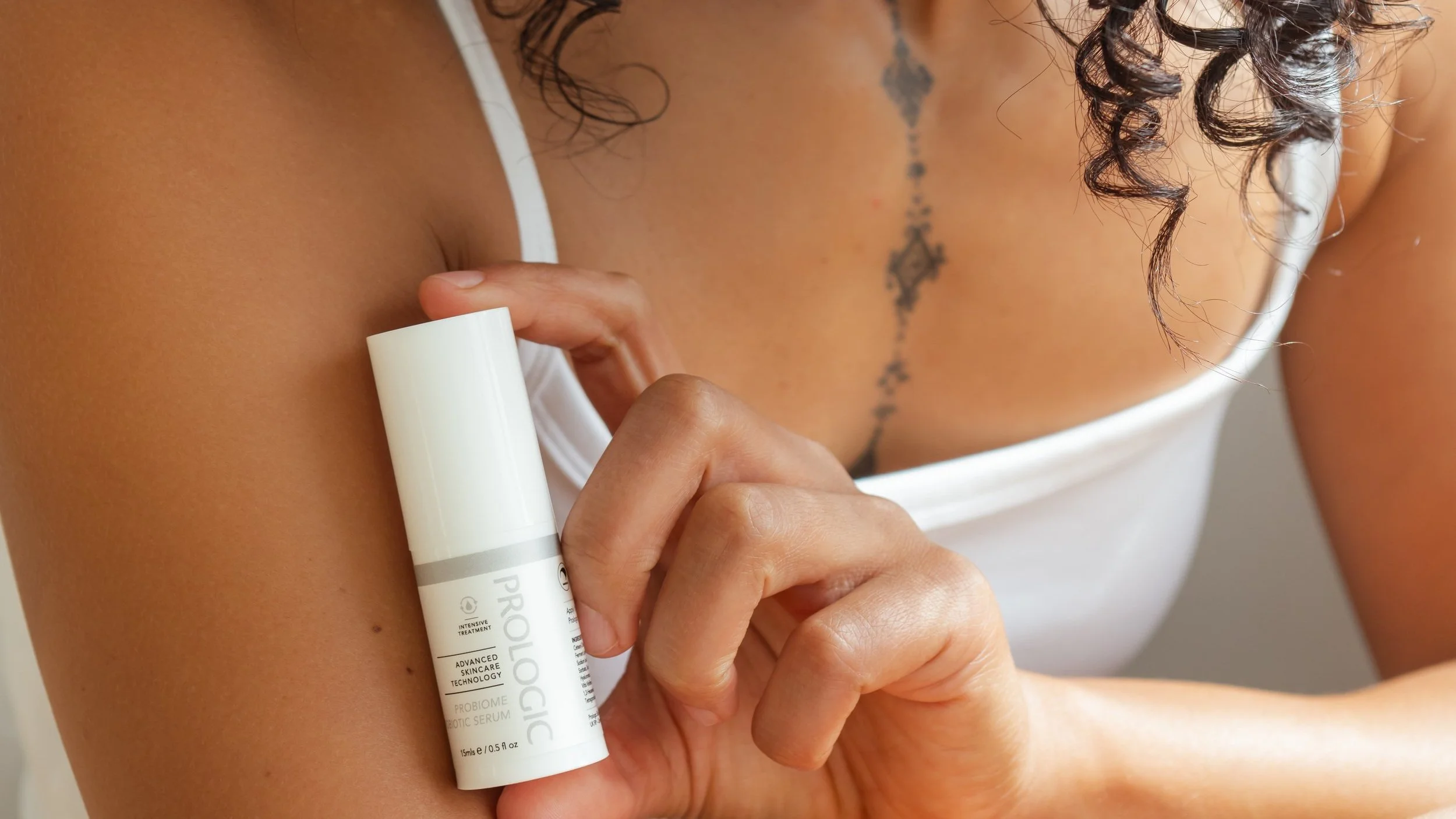
When I’m choosing skincare for a client, I’m looking at what it is doing for the skin barrier, how it is supporting hydration, and whether it makes sense for the skin I am actually looking at.

Prologic is built around corneotherapy, so the focus is on supporting the outer layers of the skin and helping the barrier function properly.

Some products feel lovely when they go on, but I’m more interested in what they keep doing once they are on the skin.

Why Prologic starts with the skin barrier

Your skin barrier helps keep water in, irritants out, and the skin more comfortable day to day. When the barrier is working well, the skin usually feels calmer, stronger and more settled. When it is disrupted, the skin can start to feel tight, dry, rough, reactive or inflamed.

The outer layer of the skin is often described as a brick-and-mortar structure. The skin cells are the bricks, and the lipids around them are the mortar holding everything together.

So when we talk about barrier-supportive skincare, we are talking about ingredients that help support the structure of the skin itself.

The ingredients Prologic uses

Skin-identical lipids

Prologic uses skin-identical lipids such as ceramides, cholesterol and free fatty acids. These are part of the skin’s own barrier structure, which is why they matter so much in corneotherapy. Instead of just coating the surface so the skin feels soft for a while, these ingredients are chosen because they make sense for the lipid matrix in the stratum corneum.

When the skin is dry, reactive or slow to recover, I often want to look at the lipid side of the barrier. Hydration matters, but if the skin’s lipid structure is not supported, the skin can still keep losing water and feeling unsettled.

Physiological oils

Prologic also uses oils that are more compatible with the skin, including jojoba, macadamia, rice bran and plant-derived squalane. These are chosen because their fatty-acid profiles work well with the skin’s own barrier.

For inflamed or struggling skin, heavy or poorly matched oils can be too much. I want oils that help replenish the skin without leaving it feeling overloaded.

Kiwi Seed Oil and Omega 3

Kiwifruit Seed Oil is one of the Prologic ingredients I really love. It is rich in Alpha Linolenic Acid, an essential Omega 3 fatty acid. From a skin point of view, Omega 3 is useful because it plays a role in barrier function and water loss.

It is also lightweight, which matters. Some oils feel too heavy when the skin is already inflamed or compromised. Kiwifruit Seed Oil gives lipid support without that greasy, smothered feeling.

Hydration support

Prologic uses humectants such as glycerin, sodium lactate and hyaluronate to help support hydration. Humectants help draw and hold water in the skin, but hydration needs to sit inside the bigger barrier picture. If the skin does not have enough lipid support, that water can disappear quickly. I prefer formulas that consider water and lipids together, because the skin usually needs both.

Mamaku Black Fern

Mamaku Black Fern is another ingredient Prologic has spoken about for barrier repair and hydration support. It helps reduce transepidermal water loss, which is the water that escapes through the skin when the barrier is not holding hydration well.

Soy Lecithin

Soy Lecithin helps keep oil and water together in a formula, which gives the product a smooth and consistent texture. From a corneotherapy point of view, the more interesting part is that lecithin is structurally compatible with the skin’s own barrier lipids.

Some conventional emulsifiers can keep behaving like surfactants once they are on the skin, especially when water or perspiration are involved. Prologic uses Soy Lecithin because it helps with formula stability without working against the skin’s own lipid structure.

Coco Glucoside

Cleansers are often where barrier-impaired skin gets into trouble. A cleanser might only be on your face for a short time, but if it leaves the skin tight, squeaky or uncomfortable, it is probably doing more than simply cleaning.

Prologic uses Coco Glucoside in its cream cleansers. It is a non-ionic cleansing agent derived from coconut and glucose, and it gives a gentler cleanse without that harsher surfactant feel. I much prefer a cleanser that leaves the skin clean and comfortable, rather than one that makes the skin feel stripped.

What Prologic chooses to leave out

Prologic is also very intentional about what it does not use. The range avoids ingredients such as fragrance, silicones, mineral oil, harsh surfactants like SLS and SLES, synthetic colours, and certain conventional emulsifiers that do not fit with its barrier-focused approach.

Fragrance is a good example. A product can smell beautiful and still be a problem for reactive skin, especially because some fragrance compounds can oxidise and become more sensitising over time.

Silicones can give the skin an immediate smooth feel, but Prologic chooses ingredients that are more compatible with the skin’s own barrier structure instead.

With surfactants, the issue is often that they clean too aggressively. SLS and SLES can remove oil very effectively, but for a compromised barrier, that can leave the skin feeling stripped and depleted.

How I choose Prologic for clients

If you are interested in Prologic, you can book a skin consultation in clinic, or complete the Online Consultation Form if you are not local to the skin clinic in Dunedin. Once I have looked at your skin and your current routine, I can recommend the Prologic products that actually make sense for you.

👉 Book a consultation to talk through the best option for your skin

~ Jemma