
Perioral dermatitis: Why your skin might be reacting
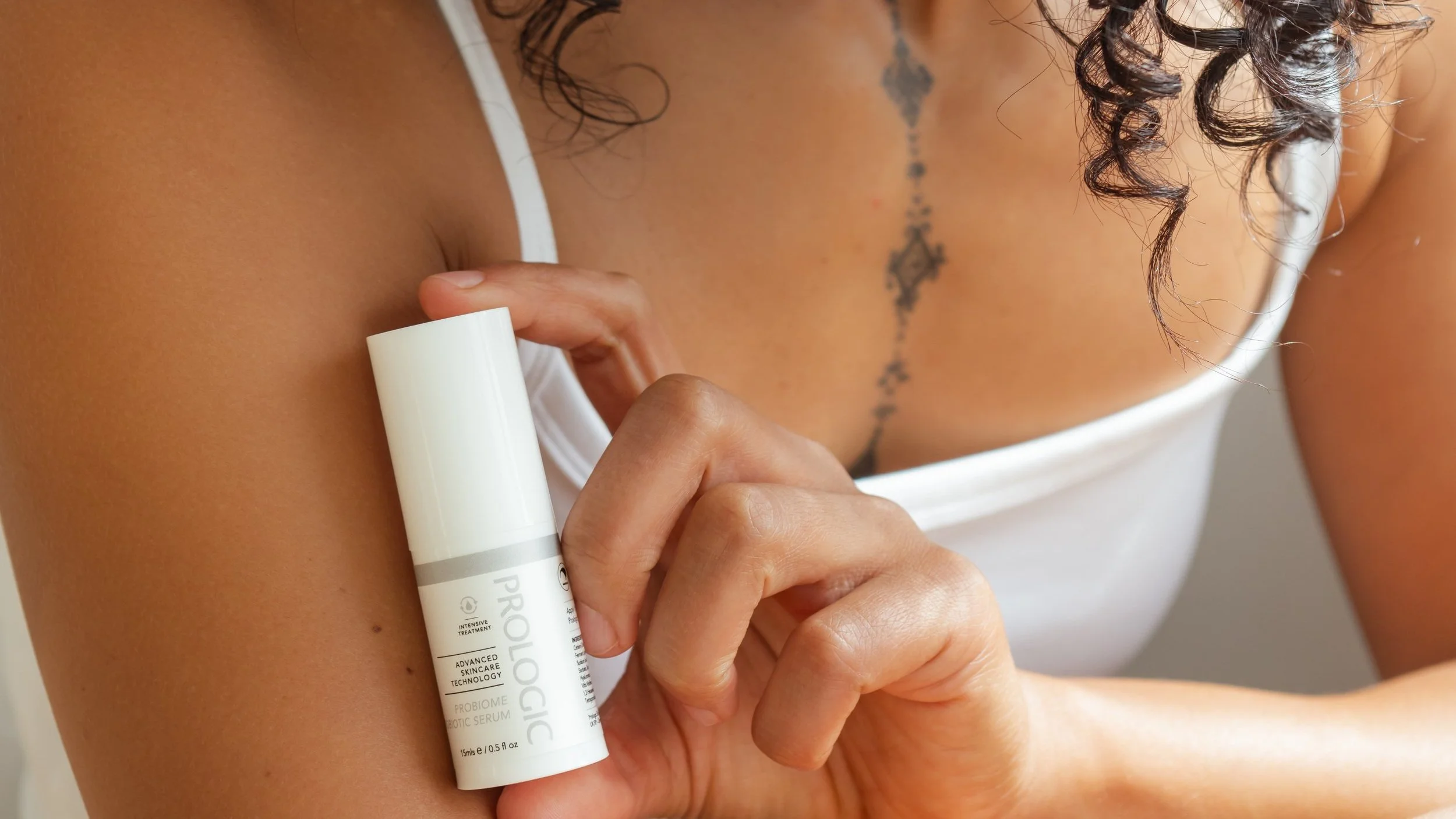
When I’m choosing skincare for a client, I’m looking at what it is doing for the skin barrier, how it is supporting hydration, and whether it makes sense for the skin I am actually looking at.
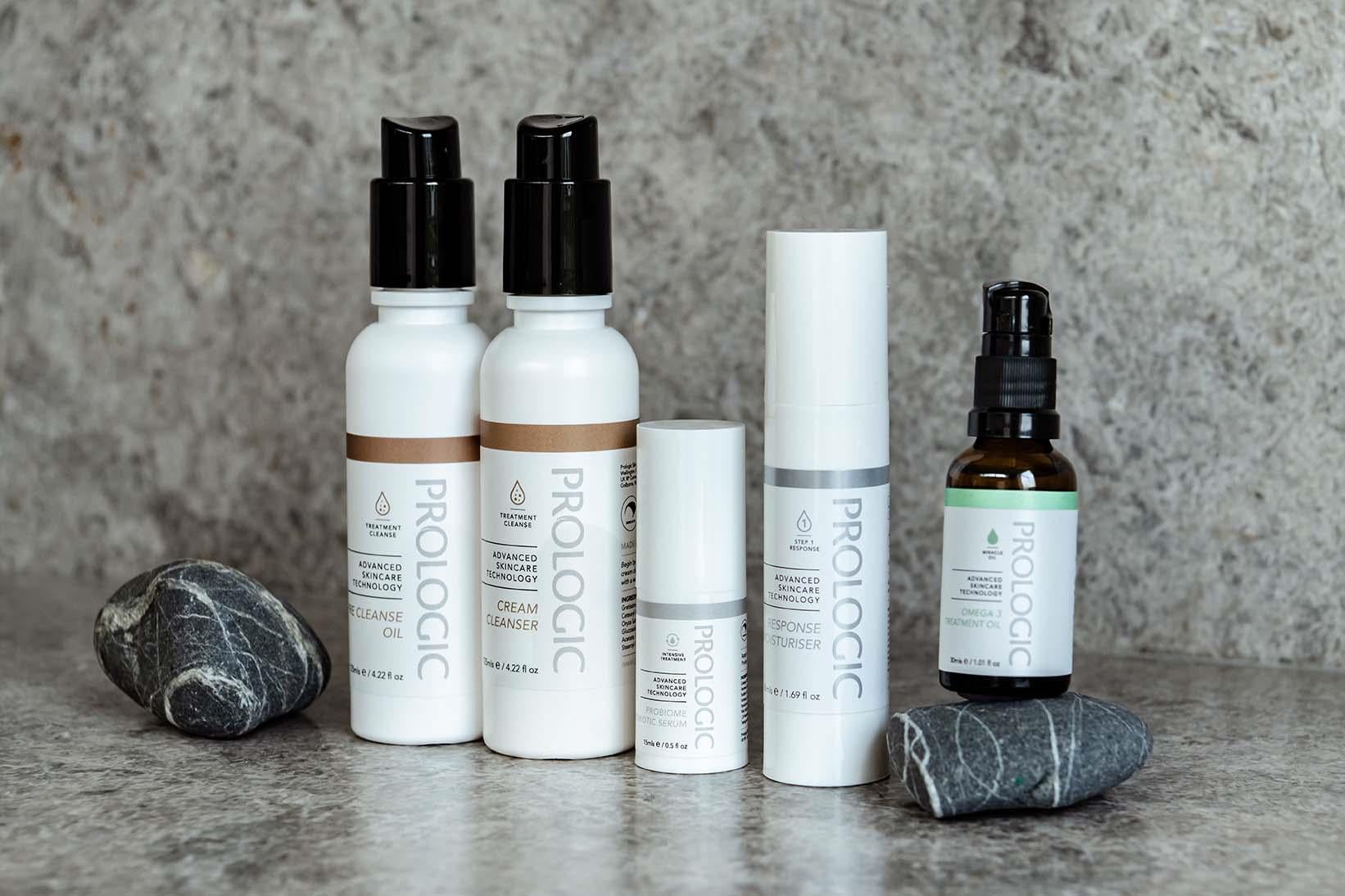
Prologic is built around corneotherapy, so the focus is on supporting the outer layers of the skin and helping the barrier function properly.
Some products feel lovely when they go on, but I’m more interested in what they keep doing once they are on the skin.
Why Prologic starts with the skin barrier
Your skin barrier helps keep water in, irritants out, and the skin more comfortable day to day. When the barrier is working well, the skin usually feels calmer, stronger and more settled. When it is disrupted, the skin can start to feel tight, dry, rough, reactive or inflamed.
The outer layer of the skin is often described as a brick-and-mortar structure. The skin cells are the bricks, and the lipids around them are the mortar holding everything together.
So when we talk about barrier-supportive skincare, we are talking about ingredients that help support the structure of the skin itself.
The ingredients Prologic uses
Skin-identical lipids
Prologic uses skin-identical lipids such as ceramides, cholesterol and free fatty acids. These are part of the skin’s own barrier structure, which is why they matter so much in corneotherapy. Instead of just coating the surface so the skin feels soft for a while, these ingredients are chosen because they make sense for the lipid matrix in the stratum corneum.
When the skin is dry, reactive or slow to recover, I often want to look at the lipid side of the barrier. Hydration matters, but if the skin’s lipid structure is not supported, the skin can still keep losing water and feeling unsettled.
Physiological oils
Prologic also uses oils that are more compatible with the skin, including jojoba, macadamia, rice bran and plant-derived squalane. These are chosen because their fatty-acid profiles work well with the skin’s own barrier.
For inflamed or struggling skin, heavy or poorly matched oils can be too much. I want oils that help replenish the skin without leaving it feeling overloaded.
Kiwi Seed Oil and Omega 3
Kiwifruit Seed Oil is one of the Prologic ingredients I really love. It is rich in Alpha Linolenic Acid, an essential Omega 3 fatty acid. From a skin point of view, Omega 3 is useful because it plays a role in barrier function and water loss.
It is also lightweight, which matters. Some oils feel too heavy when the skin is already inflamed or compromised. Kiwifruit Seed Oil gives lipid support without that greasy, smothered feeling.
Hydration support
Prologic uses humectants such as glycerin, sodium lactate and hyaluronate to help support hydration. Humectants help draw and hold water in the skin, but hydration needs to sit inside the bigger barrier picture. If the skin does not have enough lipid support, that water can disappear quickly. I prefer formulas that consider water and lipids together, because the skin usually needs both.
Mamaku Black Fern
Mamaku Black Fern is another ingredient Prologic has spoken about for barrier repair and hydration support. It helps reduce transepidermal water loss, which is the water that escapes through the skin when the barrier is not holding hydration well.
Soy Lecithin
Soy Lecithin helps keep oil and water together in a formula, which gives the product a smooth and consistent texture. From a corneotherapy point of view, the more interesting part is that lecithin is structurally compatible with the skin’s own barrier lipids.
Some conventional emulsifiers can keep behaving like surfactants once they are on the skin, especially when water or perspiration are involved. Prologic uses Soy Lecithin because it helps with formula stability without working against the skin’s own lipid structure.
Coco Glucoside
Cleansers are often where barrier-impaired skin gets into trouble. A cleanser might only be on your face for a short time, but if it leaves the skin tight, squeaky or uncomfortable, it is probably doing more than simply cleaning.
Prologic uses Coco Glucoside in its cream cleansers. It is a non-ionic cleansing agent derived from coconut and glucose, and it gives a gentler cleanse without that harsher surfactant feel. I much prefer a cleanser that leaves the skin clean and comfortable, rather than one that makes the skin feel stripped.
What Prologic chooses to leave out
Prologic is also very intentional about what it does not use. The range avoids ingredients such as fragrance, silicones, mineral oil, harsh surfactants like SLS and SLES, synthetic colours, and certain conventional emulsifiers that do not fit with its barrier-focused approach.
Fragrance is a good example. A product can smell beautiful and still be a problem for reactive skin, especially because some fragrance compounds can oxidise and become more sensitising over time.
Silicones can give the skin an immediate smooth feel, but Prologic chooses ingredients that are more compatible with the skin’s own barrier structure instead.
With surfactants, the issue is often that they clean too aggressively. SLS and SLES can remove oil very effectively, but for a compromised barrier, that can leave the skin feeling stripped and depleted.
How I choose Prologic for clients
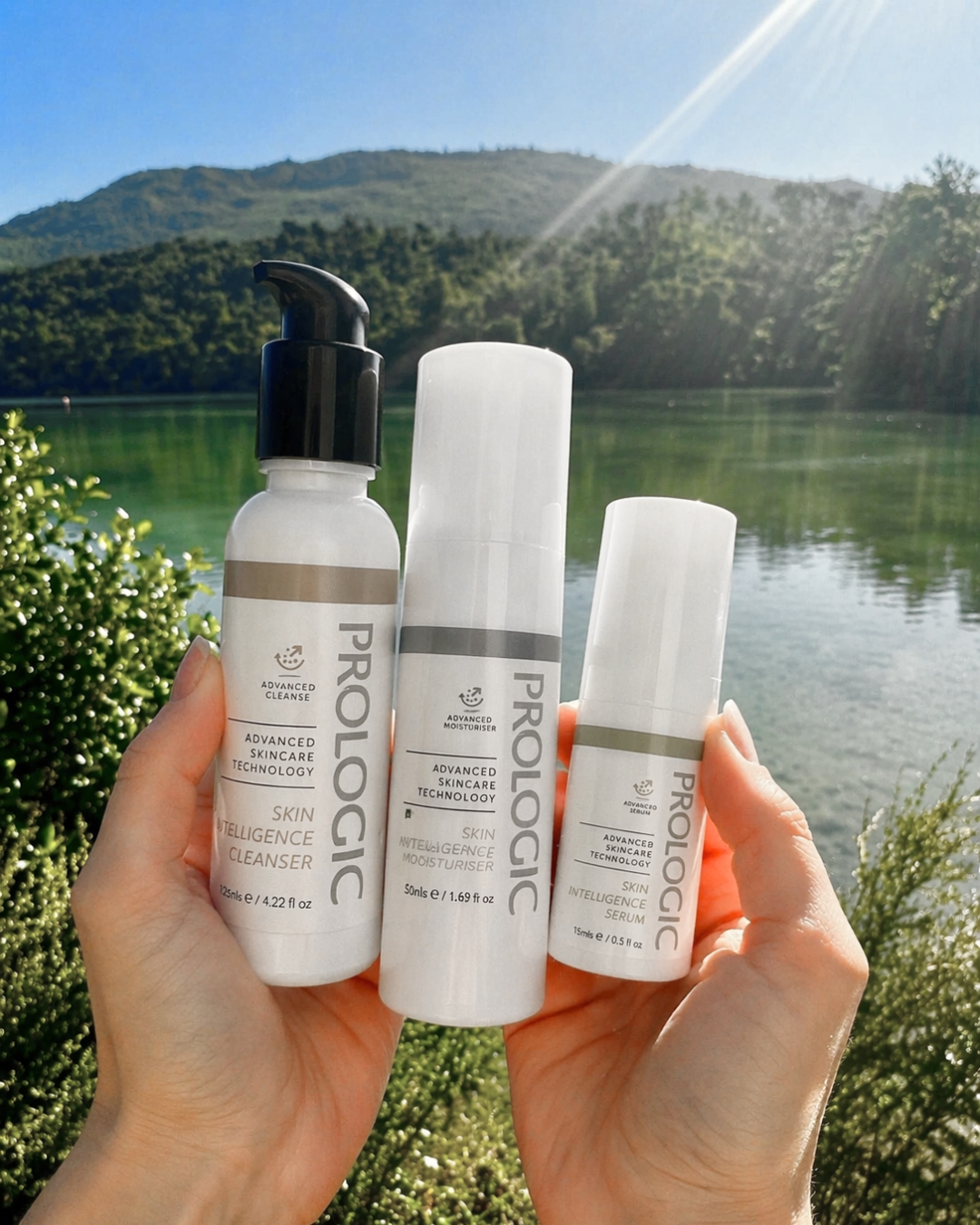
If you are interested in Prologic, you can book a skin consultation in clinic, or complete the Online Consultation Form if you are not local to the skin clinic in Dunedin. Once I have looked at your skin and your current routine, I can recommend the Prologic products that actually make sense for you.
👉 Book a consultation to talk through the best option for your skin
~ Jemma